FR4 Epoxy Fiberglass Laminates: CNC Machining for Precision Electrical Insulation Components
In modern electrical equipment, reliable insulation materials are essential for ensuring safety, durability, and long-term operational stability. One of the most widely used materials in electrical insulation systems is FR4 Epoxy Fiberglass Laminate. Thanks to its excellent dielectric strength, mechanical durability, and thermal resistance, FR4 sheets are commonly used to manufacture a wide range of electrical insulation components.
Through advanced machining technologies such as CNC milling, drilling, and precision cutting, FR4 sheets can be transformed into highly accurate insulation parts that meet the demanding requirements of industrial electrical systems.
What Is FR4 Epoxy Fiberglass Laminate?
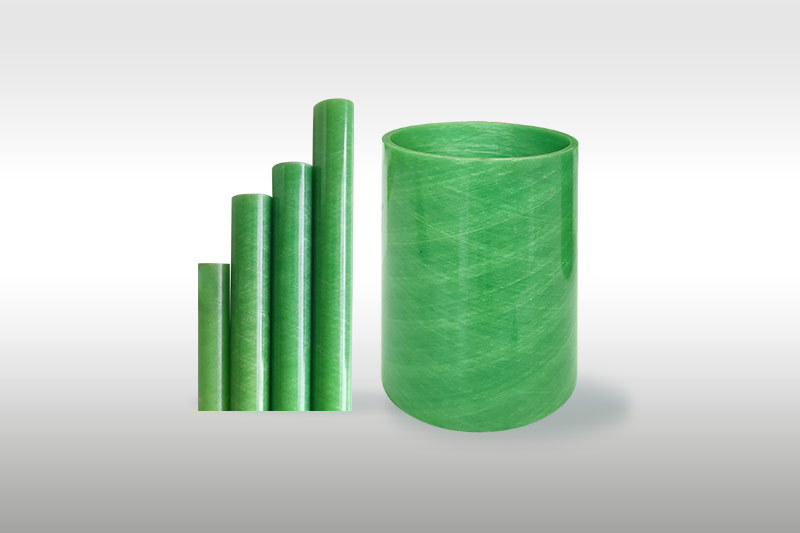
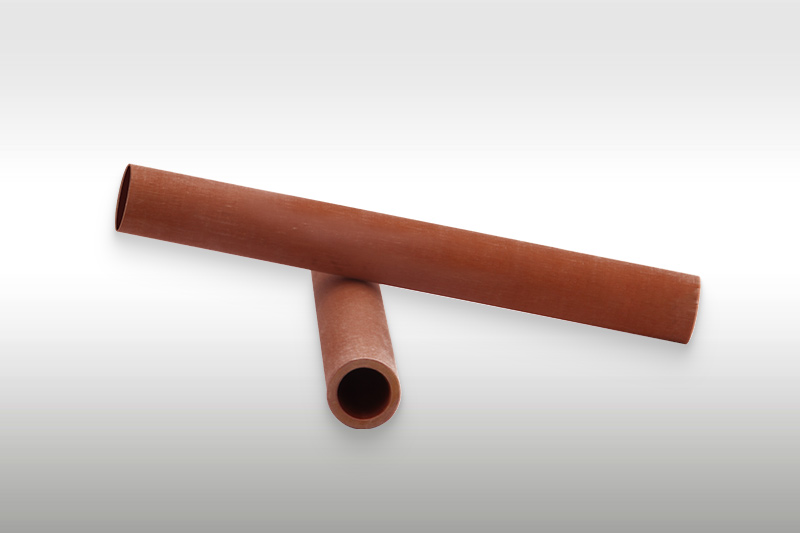
FR4 is a composite material made from woven fiberglass cloth combined with epoxy resin. The material is produced under high temperature and pressure, resulting in a rigid laminate board with excellent electrical insulation properties.
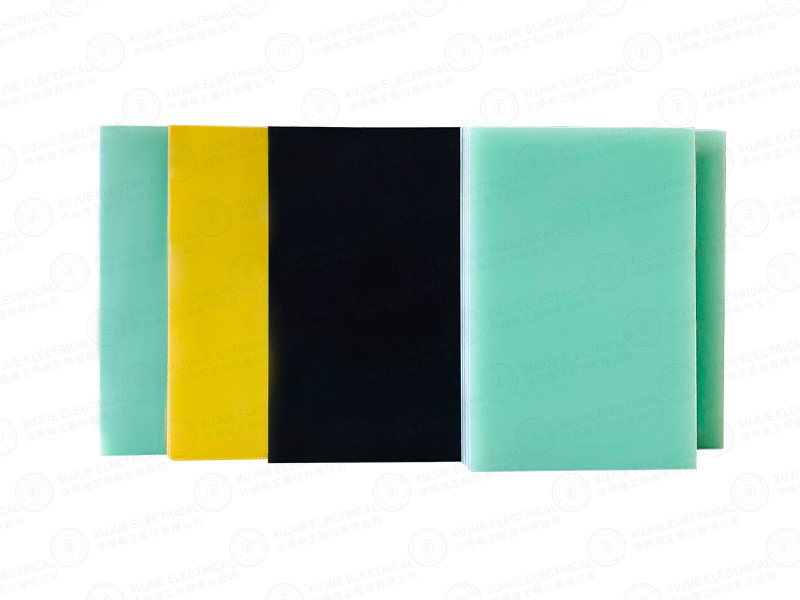
Due to its balanced combination of electrical insulation and mechanical performance, FR4 epoxy fiberglass laminates are widely used in industries such as:
• Power distribution equipment
• Transformer manufacturing
• Electric motor systems
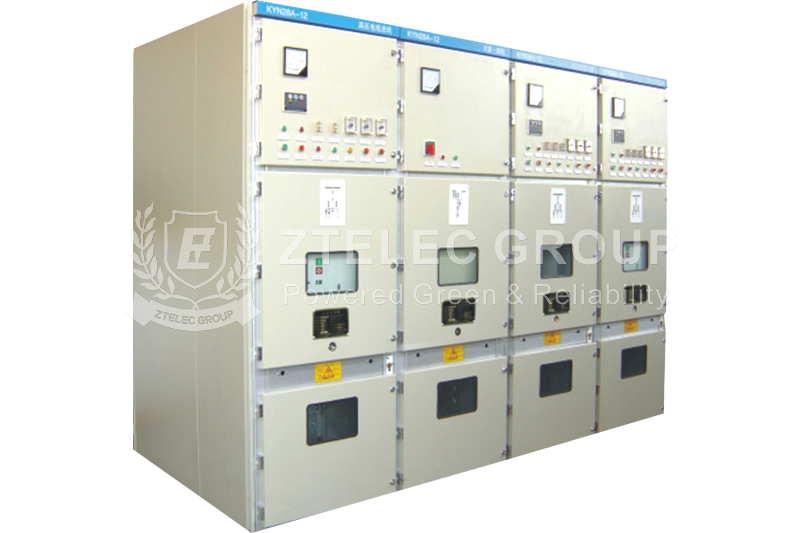
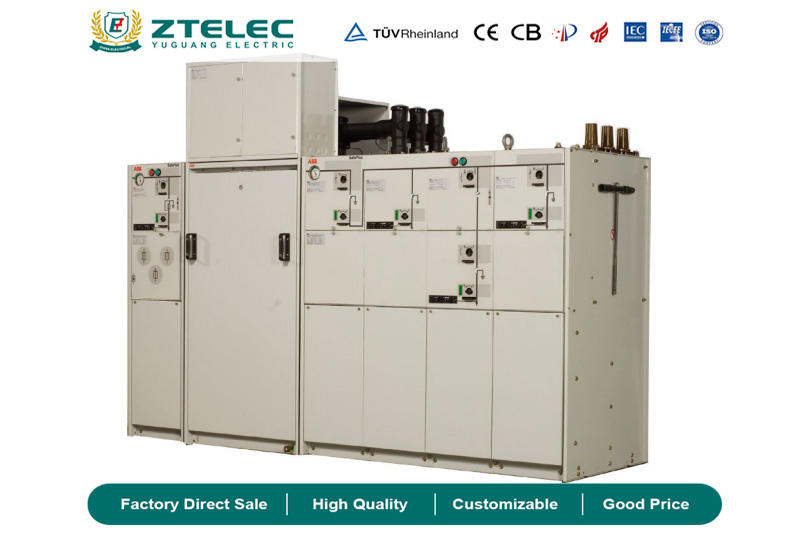
• Switchgear equipment
• Industrial electrical control systems
These characteristics make FR4 one of the most reliable materials for producing precision electrical insulation components used in critical applications.
CNC Machining of FR4 Insulation Sheets
Although FR4 sheets are typically manufactured in standard panel sizes, most electrical equipment requires customized insulation parts. This is where FR4 CNC machining becomes essential.
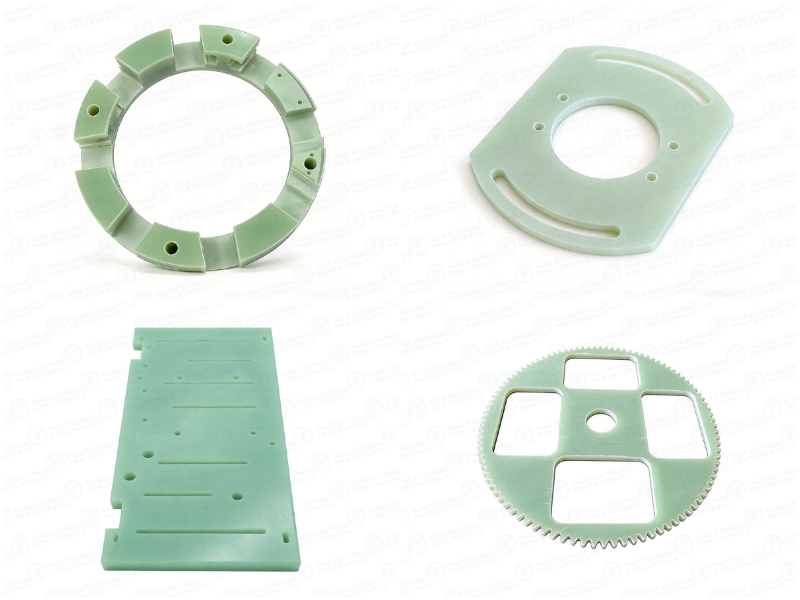
With precision machining equipment, FR4 sheets can be processed into a variety of electrical insulation components, including:
• Electrical insulation brackets
• Structural support components
• Insulation spacers and washers
• Transformer insulation parts
• Motor insulation structures
CNC machining ensures high dimensional accuracy, consistent quality, and smooth edges, which are critical for maintaining proper insulation spacing and preventing electrical failure.
Applications of FR4 Insulation Components
FR4 machining parts are widely used across many electrical applications.
In transformer manufacturing, FR4 components often serve as structural insulation supports, helping maintain the correct distance between conductive components. This improves both electrical safety and mechanical stability within the transformer structure.
In electric motors, FR4 insulation components are used to support winding structures and provide mechanical strength during high-speed operation. Their strong mechanical properties allow them to perform reliably even under vibration and thermal stress.
FR4 insulation parts are also widely used in switchgear and power distribution equipment, where they provide electrical isolation and structural support in high-voltage environments.
Advantages of Using FR4 for Electrical Insulation Components
Engineers and electrical equipment manufacturers prefer FR4 epoxy fiberglass laminates because of several key advantages:
Excellent dielectric strength
FR4 offers reliable electrical insulation performance, even in high-voltage environments.
High mechanical strength
The fiberglass reinforcement provides strong structural support and durability.
Good thermal resistance
FR4 materials maintain stable insulation performance under elevated temperatures.
Precision machinability
FR4 sheets can be processed through CNC machining into complex and customized insulation parts.
These properties make FR4 an ideal material for manufacturing custom electrical insulation components used in demanding industrial applications.
Custom FR4 Machining Solutions
In many electrical equipment projects, standard insulation parts cannot meet specific engineering requirements. Manufacturers often require custom designs based on technical drawings, insulation system design, or equipment structure.
Professional manufacturers can provide custom FR4 machining services, producing insulation parts with tight tolerances, consistent quality, and reliable performance.
By combining high-quality FR4 epoxy fiberglass laminates with advanced CNC machining technology, manufacturers can supply reliable insulation solutions for transformers, motors, switchgear, and other electrical equipment.
Conclusion
FR4 epoxy fiberglass laminate plays a crucial role in modern electrical insulation systems. Its combination of strong mechanical properties, excellent dielectric strength, and reliable thermal resistance makes it an ideal material for producing precision insulation components.
With the support of advanced CNC machining technologies, FR4 sheets can be transformed into customized insulation parts that meet the demanding requirements of industrial electrical equipment.
As electrical equipment continues to evolve toward higher performance and reliability, the demand for FR4 insulation components and custom FR4 machining solutions will continue to grow.