Why Transformer Insulation Systems Fail
Transformers are critical components in power transmission and distribution systems. While many people assume transformer failures are caused mainly by electrical faults, industry analysis shows that insulation system degradation is actually one of the most common reasons behind transformer breakdowns.
A transformer insulation system must withstand electrical stress, thermal aging, mechanical forces, and environmental conditions over long periods of operation. If the insulation materials or structural design are not properly selected, the transformer’s reliability and service life can be significantly reduced.
Understanding the main causes of transformer insulation failure can help manufacturers, engineers, and maintenance teams improve equipment performance and reduce unexpected downtime.
1. Incorrect Selection of Transformer Insulation Materials
One of the most fundamental causes of insulation failure is improper material selection.
Transformers typically use a combination of cellulose-based and composite insulation materials, such as:
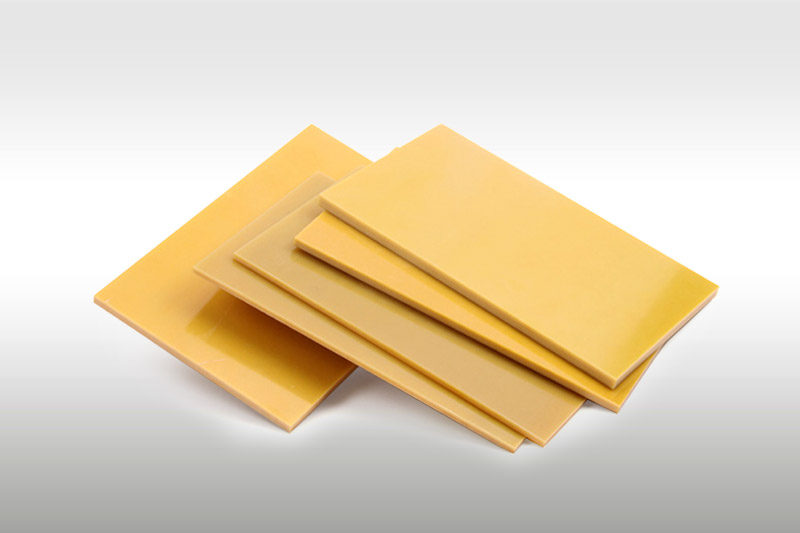
• Electrical pressboard
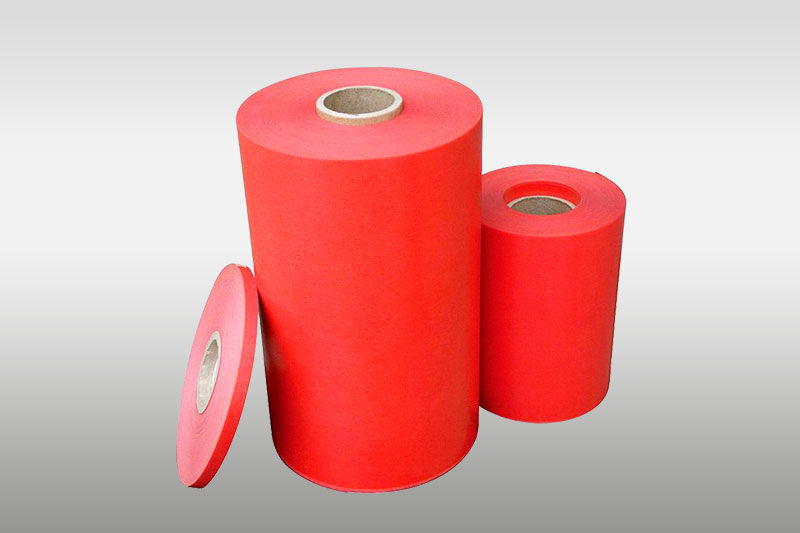
• Insulation crepe paper
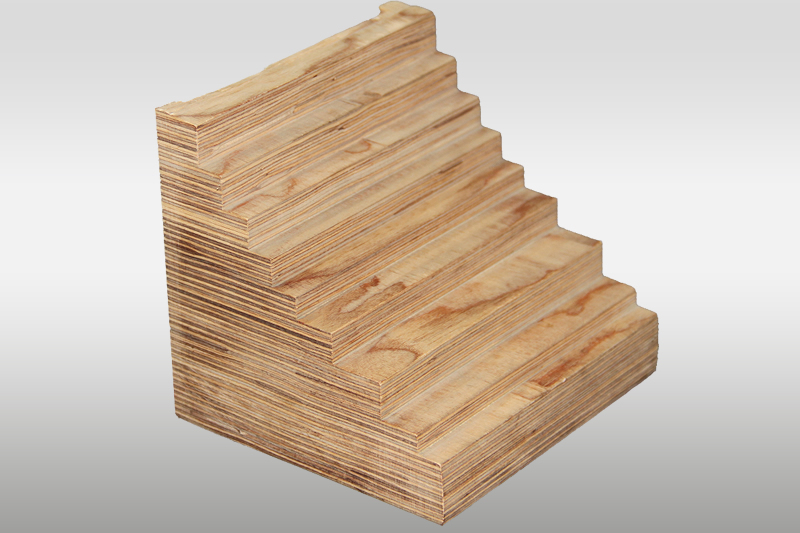
• Laminated wood components
• Diamond dotted paper (DDP)
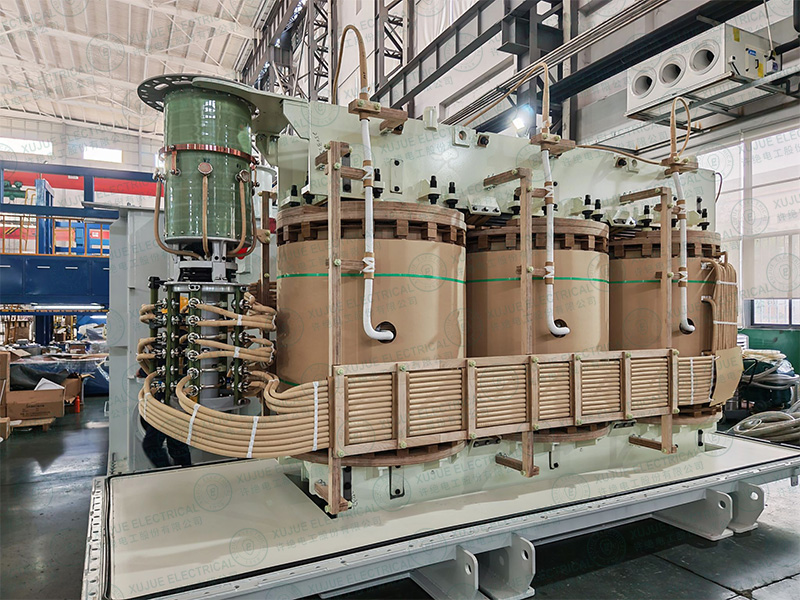
Each material plays a different role in the transformer insulation system. Electrical pressboard provides structural insulation between windings, laminated wood is commonly used for mechanical support and oil channel structures, and diamond dotted paper helps bond windings and improve mechanical stability.
If these materials do not meet the required dielectric strength, thermal class, or mechanical properties, the insulation system may degrade prematurely.
Using high-quality transformer insulation materials is essential to ensure long-term electrical reliability.
2. Moisture Absorption in Cellulose Insulation
Moisture is one of the biggest threats to transformer insulation systems.
Cellulose-based materials such as pressboard and insulation paper are hygroscopic, meaning they can absorb moisture from the surrounding environment. When moisture enters the insulation system, several problems may occur:
• Reduced dielectric strength
• Accelerated thermal aging
• Increased risk of partial discharge
• Reduced transformer lifespan
Proper storage conditions, vacuum drying processes, and oil impregnation techniques are critical to maintain insulation performance.
For manufacturers and repair facilities, controlling humidity during production and assembly is essential to protect power transformer insulation materials.
3. Thermal Aging During Long-Term Operation
Transformers operate under continuous electrical load, which generates heat in the windings and core. Over time, this heat gradually degrades insulation materials.
Thermal aging can lead to:
• Brittleness in cellulose insulation
• Loss of mechanical strength
• Reduced dielectric performance
In high-voltage or high-capacity transformers, thermal stress can be even more severe. Selecting insulation materials with appropriate thermal class ratings is therefore essential.
Materials such as high-density electrical pressboard and properly cured diamond dotted paper help maintain stability under elevated temperatures.
4. Mechanical Stress During Short Circuits
Short circuit events can create extremely high mechanical forces within transformer windings.
These forces may cause:
• Movement of windings
• Deformation of insulation structures
• Damage to supporting components
Mechanical support materials such as electrical laminated wood are widely used inside transformers because of their high mechanical strength and oil compatibility.
Laminated wood components help maintain winding alignment and prevent structural displacement during fault conditions.
Without adequate mechanical insulation support, even a well-designed transformer may experience insulation damage during electrical faults.
5. Poor Insulation System Design
In many cases, transformer failures are not caused by a single material problem but rather by insufficient insulation system design.
A reliable transformer insulation system requires a well-balanced combination of materials that work together to provide:
• Electrical insulation
• Mechanical support
• Thermal resistance
• Oil compatibility
Design engineers must carefully select insulation materials and structures to ensure long-term stability.
Improving Transformer Reliability with High-Quality Insulation Materials
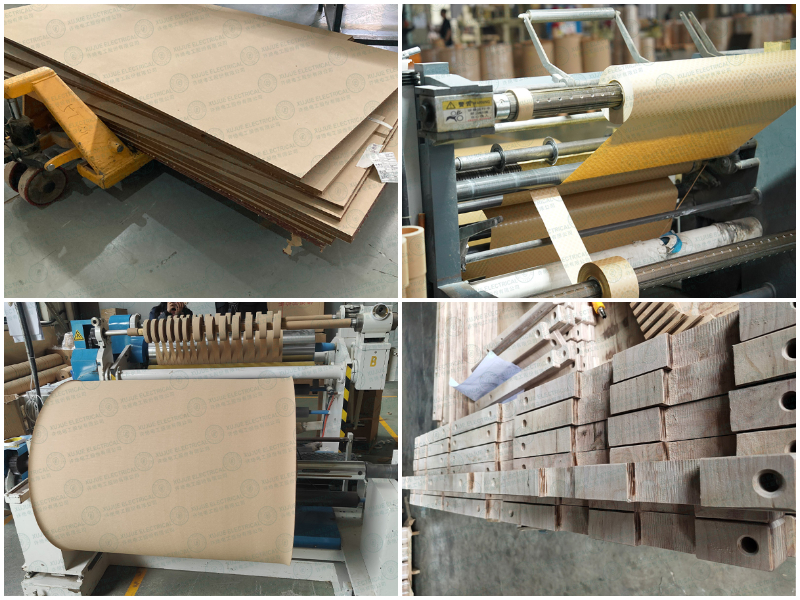
To improve transformer performance and reliability, manufacturers typically rely on a combination of proven insulation materials, including:
• Electrical pressboard for structural insulation
• Laminated wood for mechanical support structures
• Diamond dotted paper for winding bonding and insulation reinforcement
• Insulation crepe paper for conductor protection
When properly selected and processed, these materials form a robust transformer insulation system capable of operating reliably for decades.
Conclusion
Transformer insulation systems are critical to the safe and stable operation of power equipment. Many transformer failures can be traced back to insulation degradation caused by moisture, thermal aging, mechanical stress, or improper material selection.
By choosing high-quality transformer insulation materials and implementing proper design and manufacturing practices, transformer manufacturers can significantly improve equipment reliability and extend service life.
As the global demand for reliable power infrastructure continues to grow, the importance of advanced transformer insulation systems and materials will only become more significant.