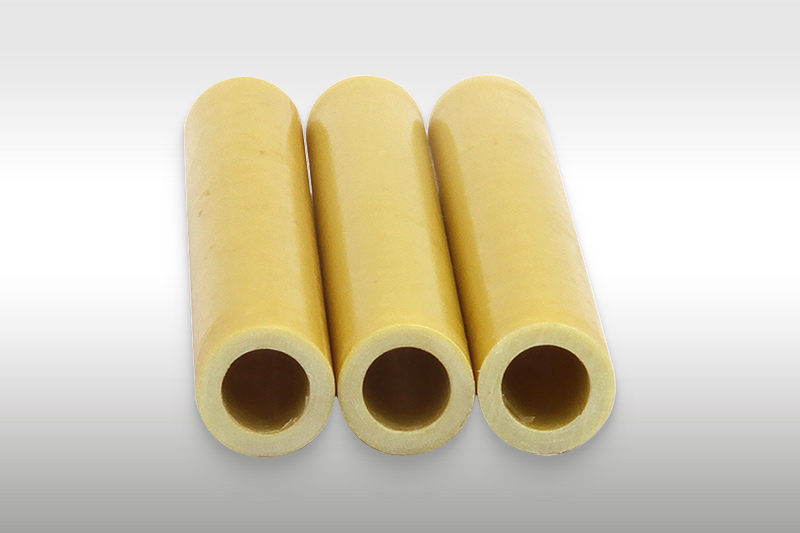
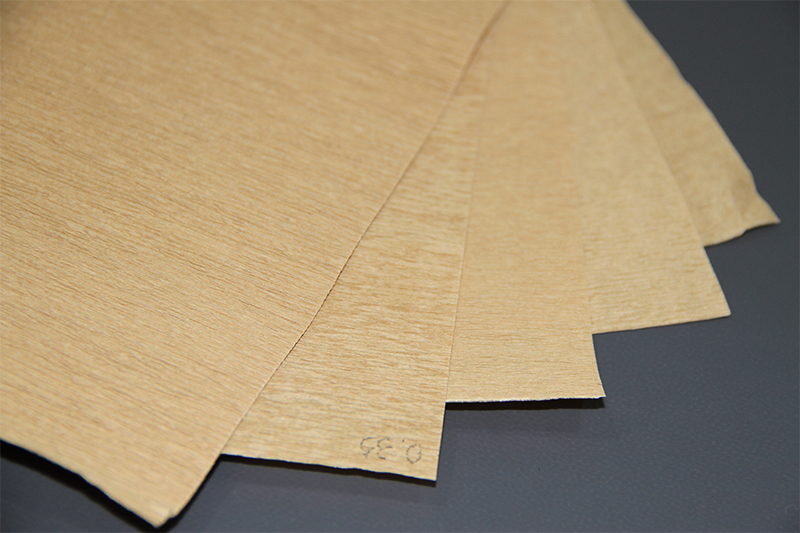
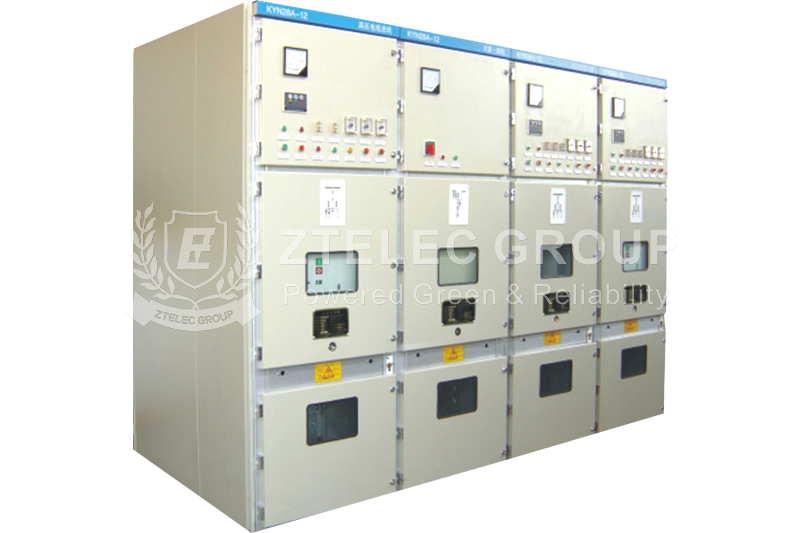
Electrical laminated wood is a critical insulation material widely used in power transformers. Known for its excellent mechanical strength and oil compatibility, laminated wood plays a key role in maintaining the structural integrity and electrical insulation of transformer components.
In this guide, we will explain why electrical laminated wood for transformer applications is essential, how it compares to other materials, and how to choose the right laminated wood insulation material for your project.
What Is Electrical Laminated Wood?
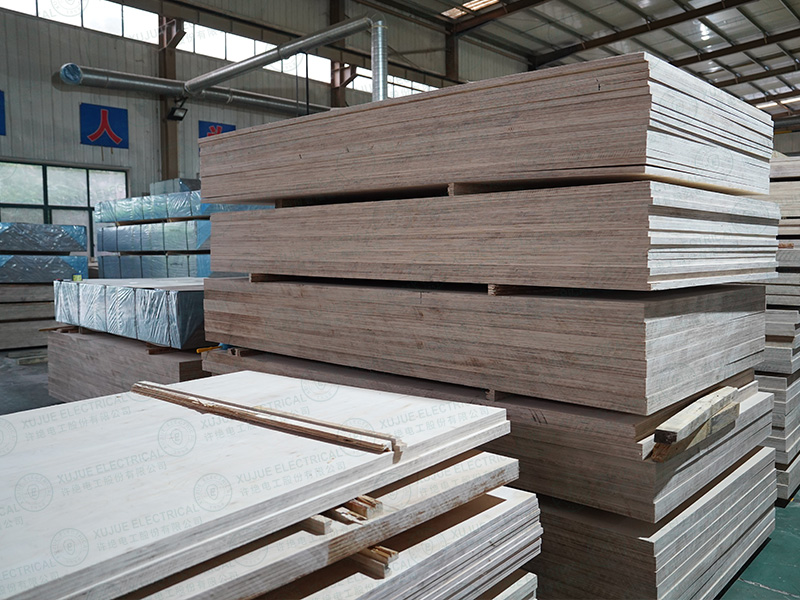
Electrical laminated wood, also known as densified laminated wood, is manufactured by bonding multiple layers of wood veneer under high pressure and temperature. The result is a high-strength, durable material specifically designed for use in electrical insulation systems.
This laminated wood insulation material is commonly used in oil-immersed transformers due to its excellent dielectric properties and compatibility with transformer oil.
Why Laminated Wood Is Used in Power Transformers
The main reason laminated wood is used in power transformers is its ability to provide both mechanical support and electrical insulation. Compared to other insulation materials, laminated wood offers a unique balance of strength, stability, and reliability.
Here are the key advantages:
1. High Mechanical Strength
Transformer laminated wood is widely used in structural components such as step blocks and coil supports. It can withstand high compressive loads, making it ideal for maintaining winding stability during operation.
2. Excellent Oil Compatibility
Laminated wood insulation for oil transformer applications performs exceptionally well in oil environments. It does not degrade easily and maintains its structural integrity over long service periods.
3. Superior Electrical Insulation
As an insulating laminated wood, it provides reliable dielectric strength, helping prevent electrical breakdown within transformer systems.
4. Dimensional Stability
Laminated wood maintains its shape under thermal and mechanical stress, ensuring long-term reliability in power transformer insulation structures.
Applications of Laminated Wood in Transformers
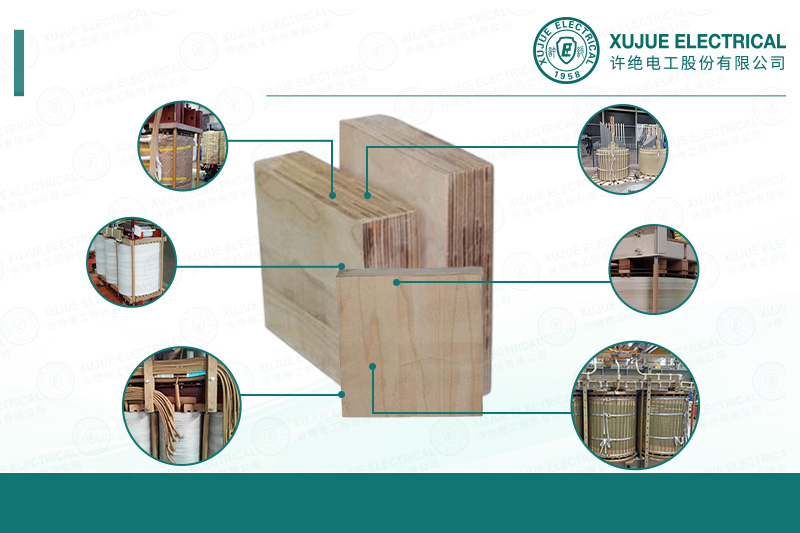
Laminated wood for transformer applications cover a wide range of structural and insulation components, including:
• Laminated wood for transformer step blocks
• Laminated wood for coil support
• Laminated wood for transformer yoke
• Laminated wood for winding support
• Laminated wood blocks for transformer support
These components are essential for maintaining proper spacing, supporting windings, and ensuring overall transformer stability.
Laminated Wood vs Pressboard: What’s the Difference?
When comparing laminated wood vs pressboard, both materials are used in transformer insulation systems, but they serve different purposes.
Laminated wood is primarily used for structural support due to its high mechanical strength, while pressboard is more suitable for flexible insulation and electrical separation.
In many cases, both materials are used together to achieve optimal insulation performance.
How to Choose the Right Laminated Wood Supplier?
Choosing a reliable transformer laminated wood supplier is critical for ensuring product quality and performance. Here are a few factors to consider:
• Material density and mechanical strength
• Oil compatibility and insulation performance
• Customization capabilities for transformer components
• Experience in manufacturing electrical laminated wood
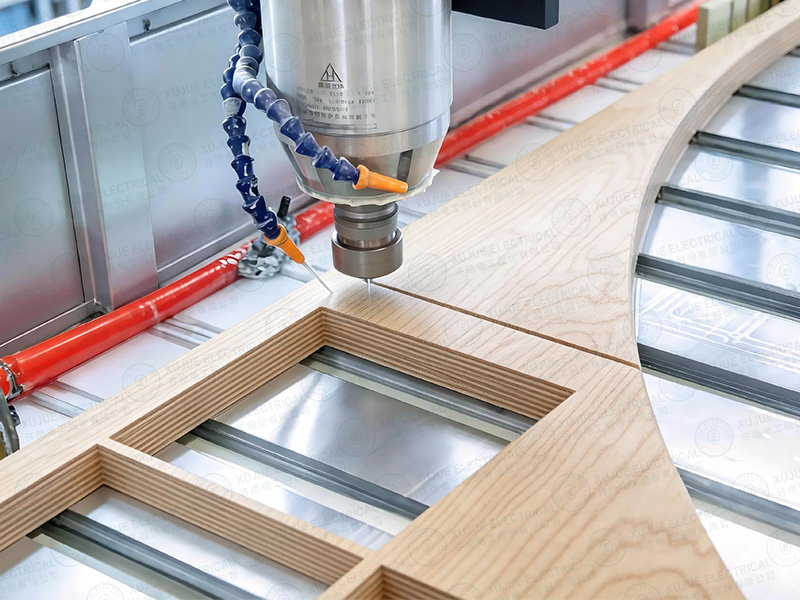
If your project requires specific designs, working with a laminated wood insulation material manufacturer that offers custom machining is highly recommended.
Conclusion
Electrical laminated wood remains one of the most reliable materials for transformer insulation and structural support. Its combination of strength, insulation performance, and durability makes it indispensable in modern power transformers.
Whether you are sourcing custom laminated wood parts for transformer applications or looking for a trusted supplier, understanding the properties and applications of laminated wood will help you make better purchasing decisions.