Phenolic Cotton Cloth vs Phenolic Paper vs Bakelite: Ultimate Guide to Phenolic Insulation Materials
Phenolic-based laminates remain one of the most widely used insulation materials in transformers, motors, and switchgear systems. Among them, phenolic cotton cloth laminate, phenolic paper laminate, and Bakelite sheets are the three most common types used in industrial applications.
In this ultimate guide, we break down their chemical structure, material differences, machining performance, thermal and electrical properties, and provide a practical selection guide for global buyers and engineers.
1. Phenolic Resin Structure and Curing Mechanism
All three materials are based on phenolic resin, a thermosetting polymer formed through the reaction of phenol and formaldehyde. Under heat and pressure, the resin undergoes irreversible cross-linking, forming a rigid 3D structure.
Key advantages:
- High dielectric strength and insulation reliability
- Excellent thermal stability
- Strong flame resistance and dimensional stability
This is why phenolic insulation materials for transformers and electrical equipment remain a cost-effective and proven solution in power systems.
2. Substrate Differences: Cotton Fabric vs Paper
The key performance difference lies in the reinforcement material used in the laminate.
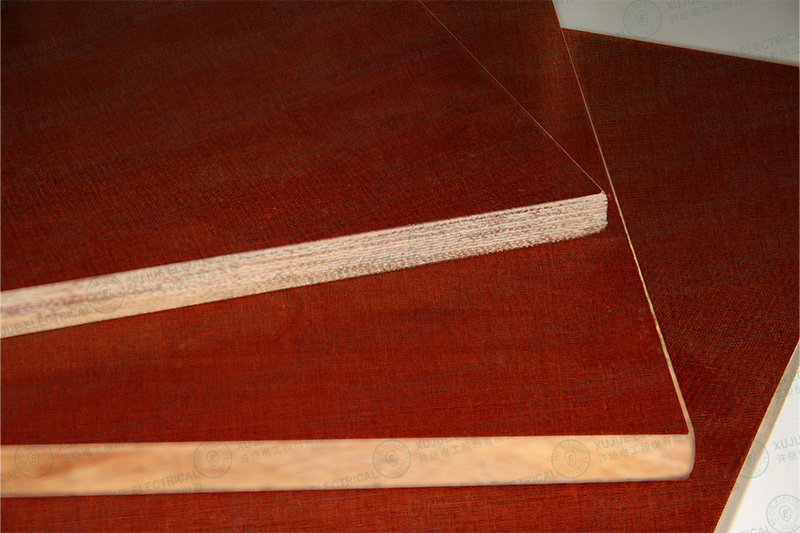
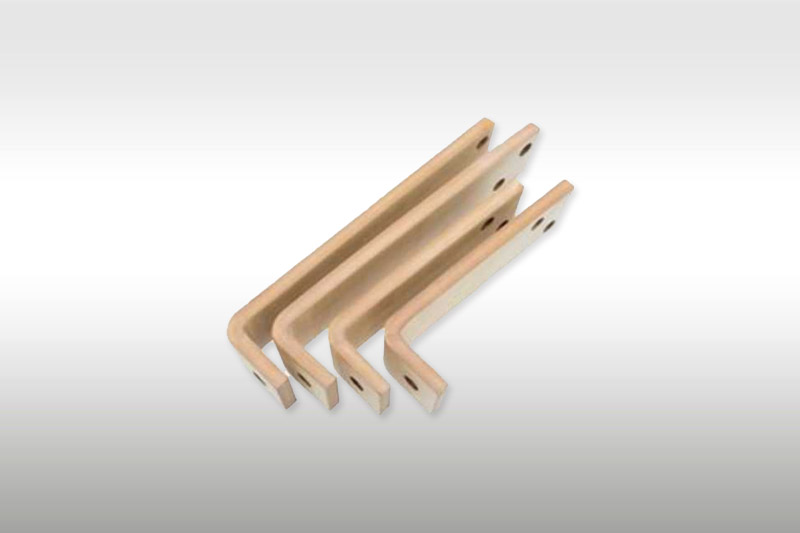
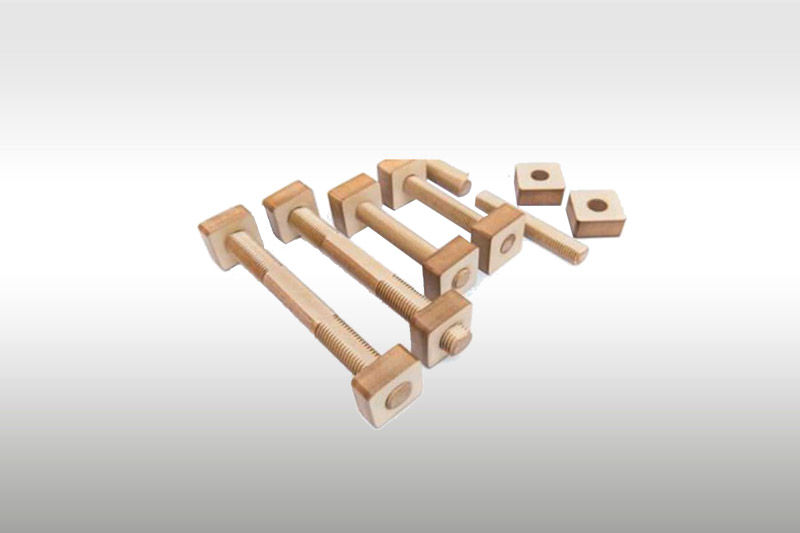
Phenolic Cotton Cloth Laminate
- Base material: Cotton fabric
- Properties: High mechanical strength and toughness
- Properties: Excellent wear resistance
- Properties: Superior machinability
- Best for: structural and mechanical insulation parts
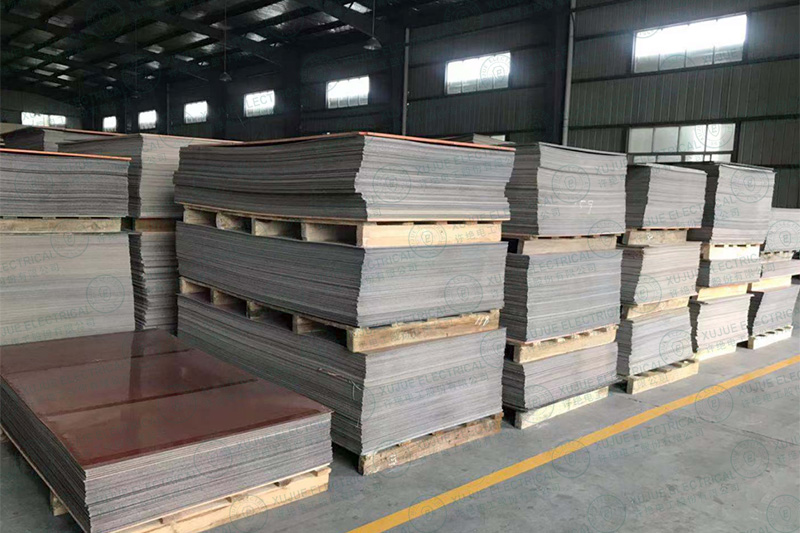
Phenolic Paper Laminate
- Base material: Electrical insulating paper
- Properties: High dielectric strength
- Properties: Smooth surface finish
- Properties: Lower mechanical strength but more cost-effective
- Best for: electrical insulation components with low mechanical stress
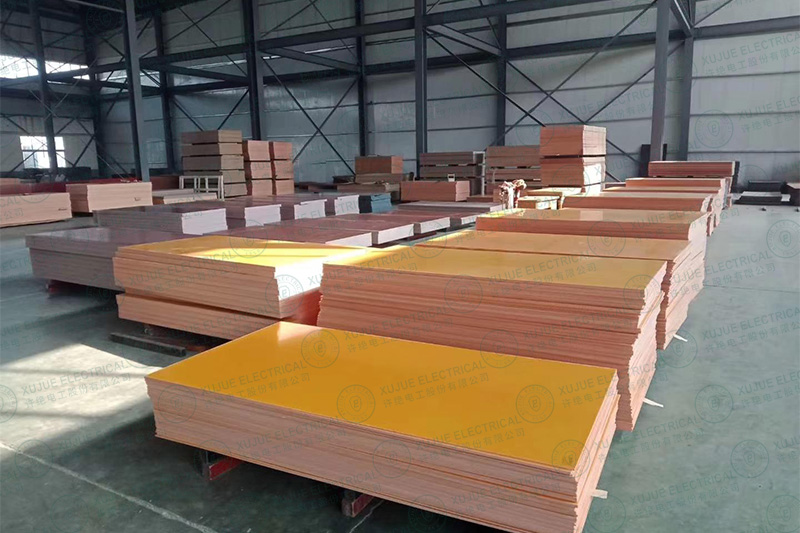
Bakelite Sheet (General Phenolic Laminate)
- Typically paper-based or fabric-based phenolic laminate
- Properties: Balanced electrical and mechanical performance
- Properties: Cost-effective general-purpose insulation material
- Widely used in switchgear, panels, and industrial components
3. Machining Performance Comparison (CNC / Turning / Milling)
Machinability is a critical factor for manufacturers and OEM buyers.
|
Material Type |
Machining Performance |
Recommended Processing |
|
Phenolic Cotton Cloth |
Excellent toughness, no cracking |
CNC milling, turning, drilling |
|
Phenolic Paper |
Brittle, prone to edge chipping |
Die cutting, simple machining |
|
Bakelite Sheet |
Moderate (depends on base) |
General machining |
4. Thermal and Electrical Properties Comparison
Property comparison across materials:
|
Property |
Cotton Cloth Laminate |
Paper Laminate |
Bakelite |
|
Mechanical Strength |
High |
Medium-Low |
Medium |
|
Dielectric Strength |
Good |
Excellent |
Good |
|
Moisture Absorption |
Medium |
Higher |
Medium |
If your focus is high dielectric phenolic sheet for electrical insulation, paper-based laminates are ideal.
For mechanical durability, cotton cloth laminates are superior.
5. Application Guide: How to Choose the Right Material
► Transformer structural parts and supports
Transformer structural parts, supports and load-bearing insulation components
→ Phenolic cotton cloth laminate
► Switchgear insulation panels
Insulation panels, barriers and partition plates for high-voltage / low-voltage switchgear
→ Phenolic paper laminate
► Motor insulation components
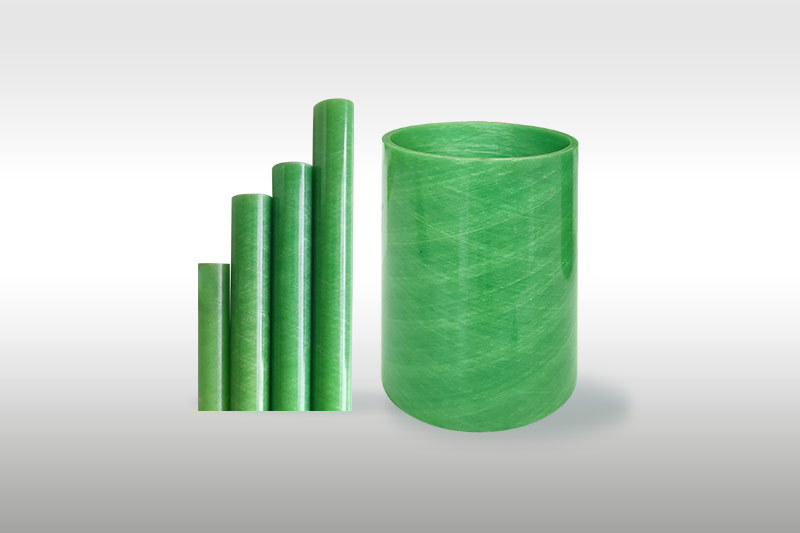
Slot wedges, interturn spacers, phase insulators and other motor insulation parts
→ Phenolic paper laminate or epoxy glass cloth laminate
► Precision machined insulation parts
Insulation parts requiring high dimensional accuracy and fine machining
→ Phenolic cotton cloth laminate (preferred)
Conclusion: Choosing the Right Phenolic Insulation Material
There is no one-size-fits-all solution when selecting phenolic laminates. The right choice depends on mechanical load requirements, electrical insulation performance, machining complexity, and cost considerations.
For global buyers, working with a reliable phenolic insulation materials supplier that supports custom machining and engineering consultation can significantly improve project efficiency and product performance.