Epoxy Pultruded Profiles: How Custom Pultrusion Structural Material Reduce Equipment Assembly Costs
In the manufacturing and assembly of electrical equipment, the compatibility between structural components and insulation materials plays a decisive role in production efficiency and total cost. In recent years, more OEM manufacturers have started replacing traditional machined insulation parts with epoxy pultruded profiles to achieve faster assembly, improved consistency, and long-term reliability.
So how exactly do custom epoxy pultruded profiles for electrical equipment help reduce overall assembly costs? This article breaks it down from both engineering and production perspectives.
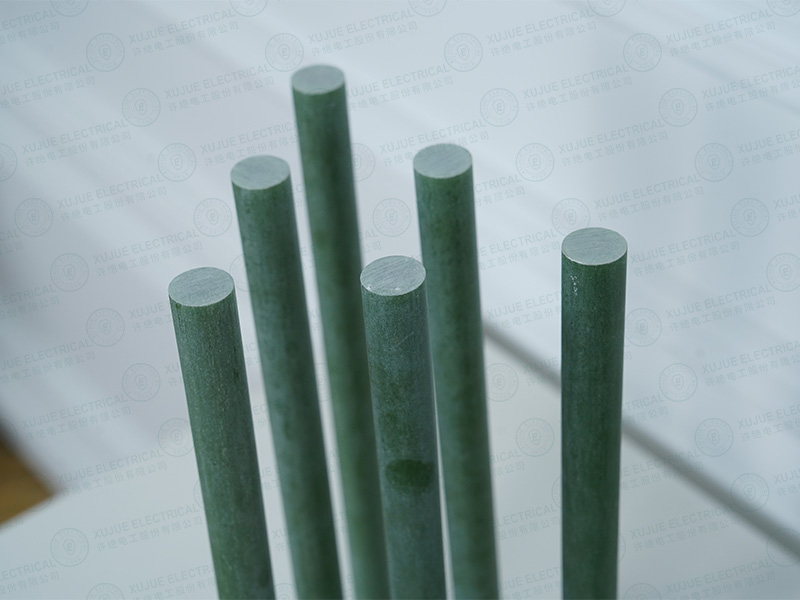
What Are Epoxy Pultruded Profiles? Key Benefits Explained
Epoxy pultruded profiles are composite insulation materials made from glass fiber reinforcement and epoxy resin matrix, produced through a continuous pultrusion process. Unlike traditional materials such as FR4 sheets or G10/G11 laminate machining parts, pultrusion allows manufacturers to create custom-shaped insulation profiles directly during production.
Common profile shapes include U-channels, angles, square tubes, and I-beams—designed to meet specific structural and electrical insulation requirements.
Key advantages:
• High mechanical strength and excellent dielectric properties
• Consistent dimensions for mass production
• Customizable cross-sectional design
• Thermal class up to Class F (155°C) and Class H (180°C)
• Excellent corrosion resistance and long service life
Because of these features, pultruded fiberglass epoxy profiles are widely used in transformers, switchgear systems, electric motors, and renewable energy equipment.
Reduce Machining Processes and Manufacturing Costs
Traditional insulation components typically require multiple machining steps such as cutting, drilling, milling, and bonding. These processes increase labor costs, production time, and material waste.
By contrast, pultruded insulation profiles are manufactured close to final shape, significantly reducing or even eliminating secondary machining.
For example, in transformer support structures, a custom epoxy pultruded channel can replace multiple stacked insulation boards. This reduces:
• CNC machining time
• Labor costs
• Material waste
As a result, ready-to-install insulation profiles are becoming a preferred solution for OEMs aiming to streamline production and improve cost efficiency.
Improve Assembly Efficiency and Shorten Production Cycles
One of the biggest advantages of custom pultruded composite profiles is their high dimensional consistency. The continuous pultrusion process ensures uniform quality across large production volumes—critical for automated assembly lines.
Using precision pultruded fiberglass profiles allows manufacturers to:
• Reduce assembly errors
• Increase first-pass yield rates
• Minimize rework and adjustments
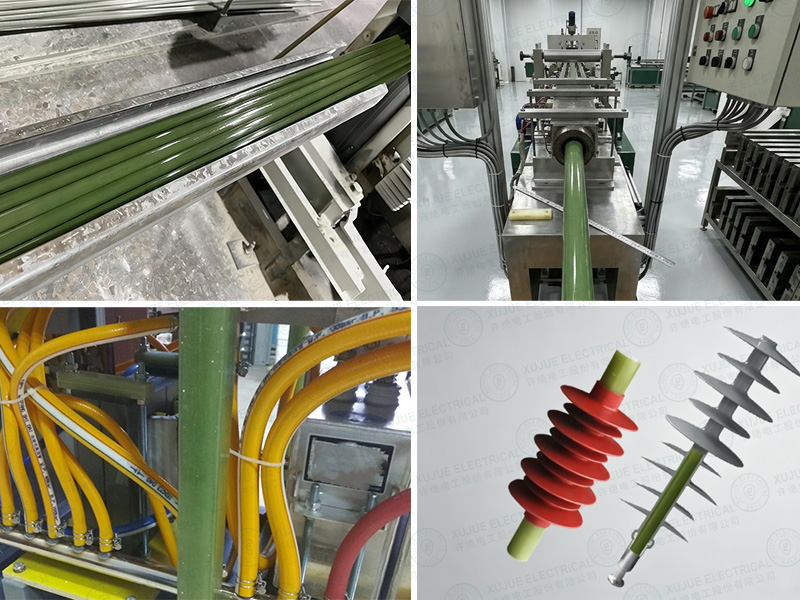
This directly translates into faster assembly processes and shorter overall production lead times—an essential factor in today’s competitive manufacturing environment.
Optimize Structural Design and Lower Total Cost of Ownership
Beyond manufacturing efficiency, epoxy pultruded profiles enable engineers to rethink product design. By collaborating with material suppliers, manufacturers can develop custom insulation structural profiles that integrate multiple functions into a single component.
This “design-for-manufacturing” approach allows:
• Reduction in part count
• Simplified assembly structure
• Lower inventory and procurement complexity
In addition, pultruded epoxy composites offer excellent resistance to moisture, chemicals, and aging. This improves long-term reliability and reduces maintenance costs—especially important in applications such as wind power, power grids, and high-voltage equipment.
Meet International Standards and Boost Export Competitiveness
For companies targeting global markets, compliance with international standards is essential. High-quality epoxy pultruded insulation profiles are typically manufactured according to IEC, NEMA, and other industry standards.
This helps:
• Ensure product consistency and safety
• Facilitate certification of finished equipment
• Enhance credibility in international markets
As a result, using certified electrical insulation pultrusion profiles can significantly improve a manufacturer’s competitiveness in export-oriented industries.
Conclusion
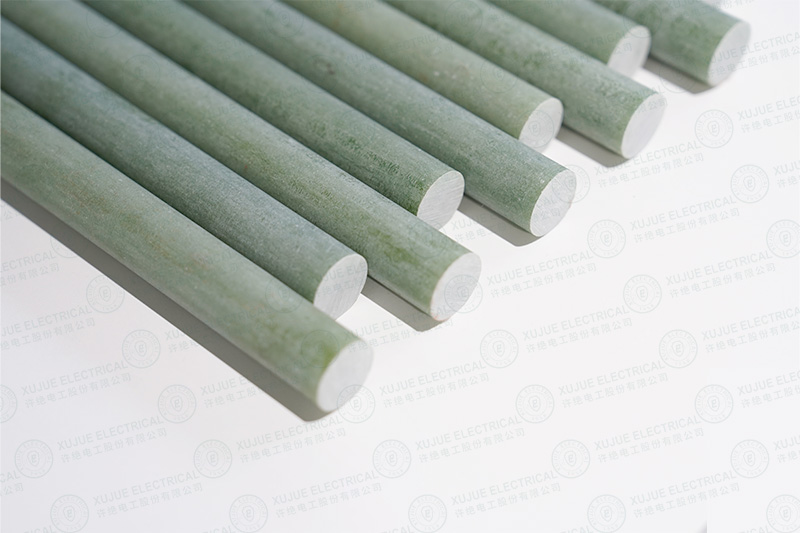
In today’s manufacturing landscape, reducing costs is no longer just about cheaper materials—it’s about smarter design and more efficient processes. Epoxy pultruded profiles represent not only a material upgrade but also a shift toward integrated, high-efficiency insulation solutions.
By leveraging custom pultruded fiberglass epoxy profiles, manufacturers can:
• Reduce assembly costs
• Improve production efficiency
• Enhance product reliability
• Strengthen global market competitiveness
For companies seeking scalable, high-performance insulation solutions, epoxy pultrusion technology is no longer optional—it’s a strategic advantage.