Silicone Glass Cloth Laminate (G7): Insulation Solution for Extreme Temperatures
H Class Insulation Material 180 Degrees – Why G7 Stands Out
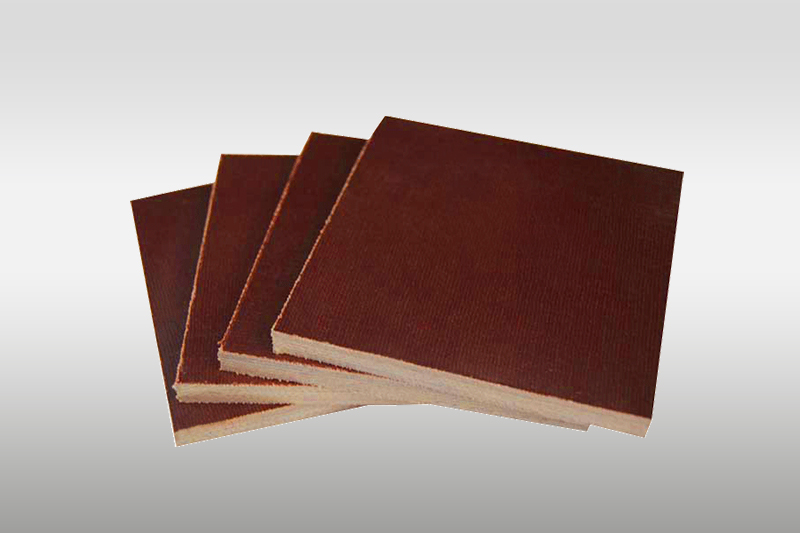
In high-temperature electrical applications, choosing the right insulation material directly impacts system reliability and lifespan. G7 silicone glass cloth laminate is specifically designed for extreme thermal environments and is widely recognized as a high-performance H class insulation material (180°C level).
According to the IEC 60893 thermal classification standard, H class materials are rated for continuous operation at 180°C. In practical applications, G7 materials often demonstrate stable performance even under short-term exposure close to 180°C, making them ideal for demanding industrial conditions.
Compared to conventional laminates, G7 offers superior thermal resistance, electrical insulation, and durability, making it a critical material choice for motors, transformers, and high-voltage systems.
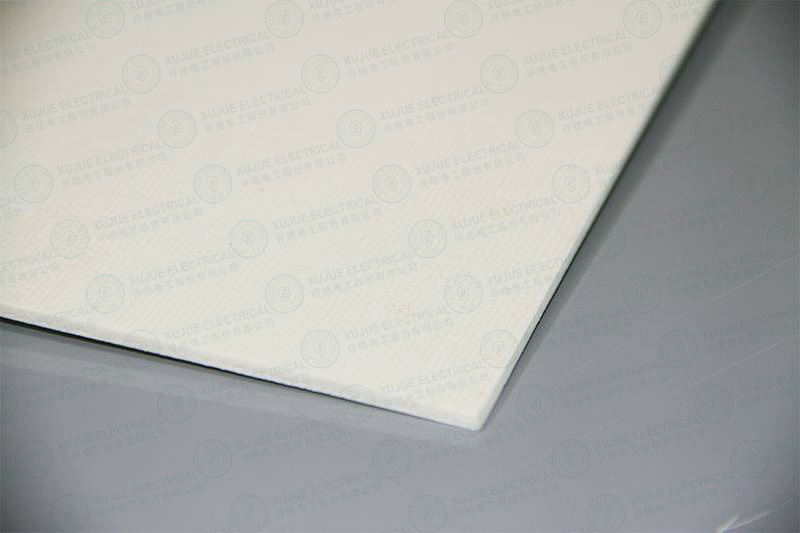
1. Silicone Resin vs Epoxy Resin: 180°C vs 130°C Performance Gap
The key difference between G7 and standard laminates lies in the resin system.
G7 uses silicone resin, while materials like G10 and G11 are based on epoxy resin. This difference significantly affects thermal performance:
• Silicone resin (G7): stable continuous operation at 180°C, with higher thermal tolerance
• Epoxy resin (G10/G11): typically rated between 130°C and 155°C
This gap becomes critical in applications where heat buildup and thermal cycling are unavoidable. Silicone resin maintains its dielectric strength and structural stability even after prolonged exposure to high temperatures, reducing the risk of insulation failure.
As a result, G7 is often selected for:
• High-load motors and generators
• Electrical systems exposed to frequent temperature fluctuations
• Equipment operating near or beyond standard insulation limits
2. G7 Applications in Aerospace and New Energy Industries
G7 is not a general-purpose material—it is typically used in industries where performance under extreme conditions is essential.
In the aerospace sector, G7 is applied in:
• Aircraft electrical insulation systems
• High-temperature structural insulation components
• Avionics-related support materials
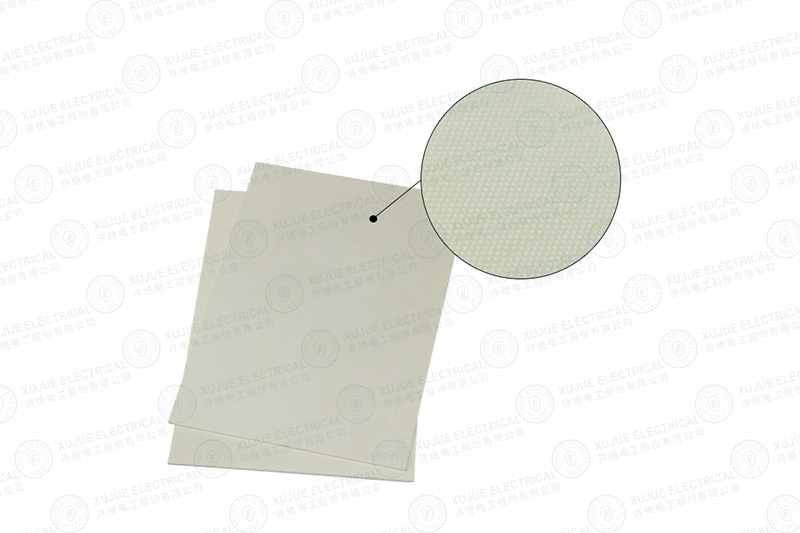
In the rapidly growing new energy sector, G7 plays a key role in:
• Electric vehicle (EV) motor insulation systems
• Wind turbine generators
• Power electronics and inverter insulation
These applications require materials that can withstand not only high temperatures but also mechanical stress, vibration, and environmental changes. G7 silicone fiberglass laminate provides a reliable solution across all these factors.
3. Flexibility vs Brittleness: A Practical Engineering Trade-Off
One of the often-overlooked advantages of G7 is its improved flexibility compared to epoxy-based laminates.
Unlike rigid materials such as G10 or G11, G7 offers:
• Better resistance to cracking under thermal expansion
• Higher tolerance to vibration and mechanical shock
• Greater adaptability in machining complex components
However, this flexibility also comes with trade-offs. G7 may have slightly lower rigidity than epoxy laminates, which means it is not always the best choice for applications requiring very high structural strength.
In real-world engineering, this becomes a balancing decision:
• Choose G7 when thermal cycling and vibration are dominant factors
• Choose epoxy laminates when mechanical rigidity is the top priority
This flexibility makes G7 especially suitable for motors, aerospace systems, and other environments where both heat and movement are present.
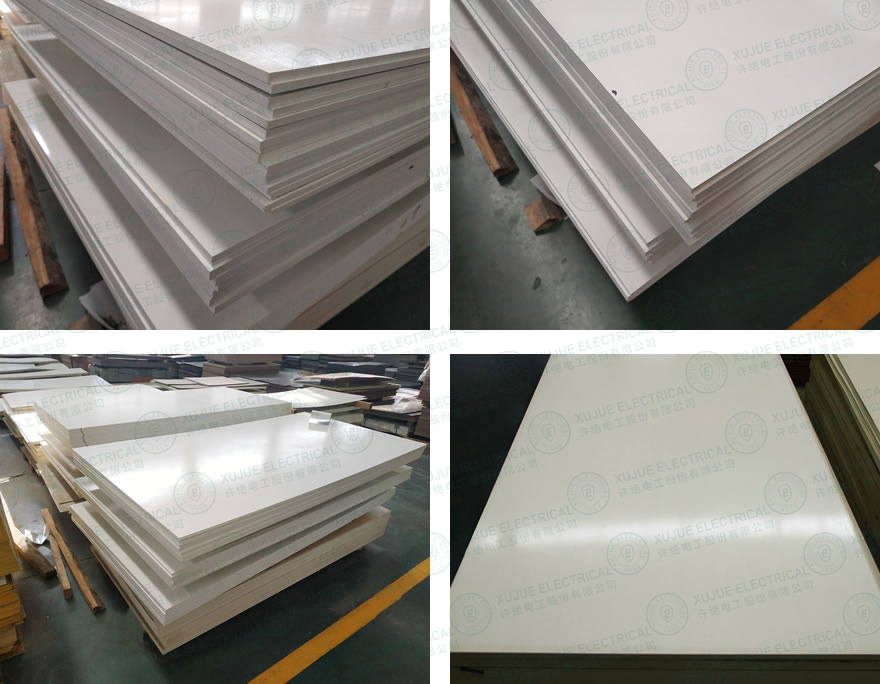
4. Is the Price Premium Worth It? A Decision Framework
G7 materials generally come at a higher cost than standard epoxy laminates. However, focusing only on upfront price can be misleading.
A more effective approach is to evaluate total lifecycle value.
G7 is worth the investment when:
• Operating temperatures consistently exceed 155°C
• Equipment failure leads to high downtime costs
• Long service life is required in harsh environments
On the other hand, lower-cost alternatives like G10 or G11 may be sufficient when:
• Operating temperatures remain below 130°C
• The application is not exposed to significant thermal stress
• Budget constraints are a primary concern
In many industrial scenarios, the higher initial cost of G7 is offset by reduced maintenance, lower failure rates, and improved long-term reliability.
Conclusion: When G7 Becomes the Necessary Choice
G7 silicone glass cloth laminate is not just another insulation material—it is a specialized solution for extreme environments. With its alignment to IEC 60893 H class standards, it provides a reliable option for applications requiring continuous operation at 180°C and beyond.
For engineers and procurement professionals, the decision ultimately comes down to operating conditions. If your system regularly faces high temperatures, thermal cycling, or critical reliability requirements, G7 is not a premium option—it is the right one.