Fiberglass Wound Tube vs Phenolic Cotton Tube vs Phenolic Paper Tube: Complete Selection Guide for Electrical Insulation Structures
Choosing the right electrical insulation tube is critical for ensuring both mechanical stability and long-term dielectric performance in transformers, motors, and high-voltage equipment. Among the most widely used tubular insulation materials are fiberglass wound tubes, phenolic cotton tubes, and phenolic paper tubes.
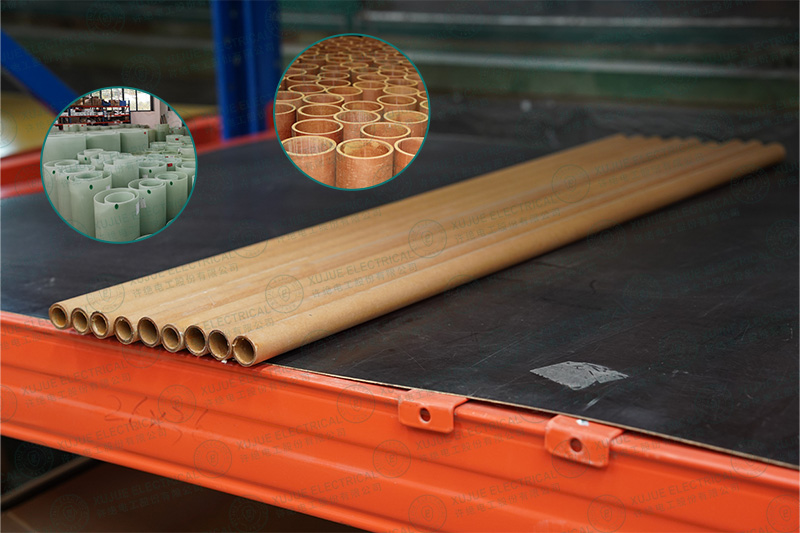
This guide provides a practical comparison based on winding manufacturing processes, custom sizing capability (inner diameter and wall thickness), and load-bearing and insulation resistance performance, helping engineers and procurement teams make the right selection.
First, the manufacturing process directly determines the strength distribution of insulation tubes. Fiberglass wound tubes, also known as epoxy glass filament wound tubes, are produced through a filament winding process where glass fibers are continuously wound under tension and impregnated with epoxy resin. This creates a highly oriented structure with excellent hoop strength, making it ideal for resisting radial pressure. At the same time, it maintains strong axial strength, allowing it to perform well in load-bearing structural insulation applications. These tubes are widely used in transformers, high-voltage equipment, and heavy-duty insulation systems due to their superior mechanical integrity and thermal stability.
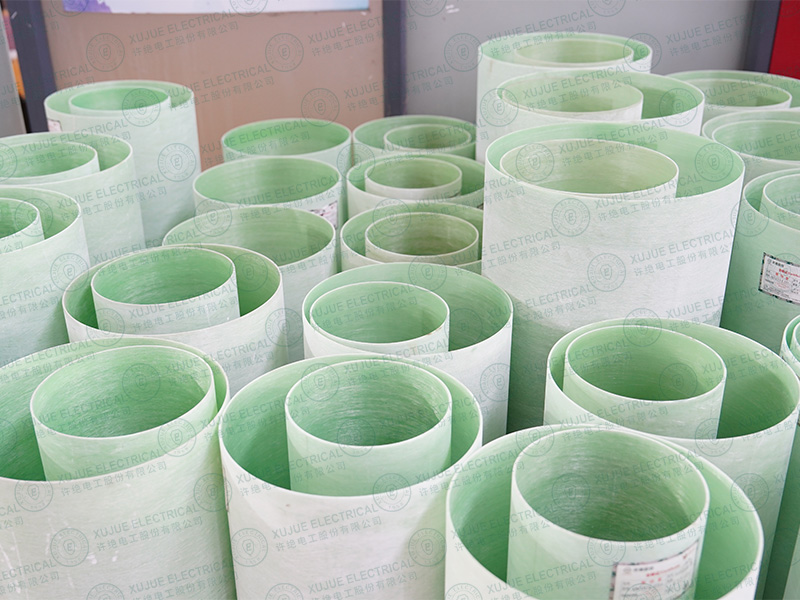
►Learn about applications of epoxy fiberglass winding tube in transformers: https://ztelecpro.com/Blog/High-Strength-Epoxy-Fiberglass-Insulatio.html
In contrast, phenolic cotton tubes are manufactured by layering cotton fabric impregnated with phenolic resin. This structure provides more balanced axial strength and excellent machinability. They are easy to process using CNC turning, drilling, and milling, making them suitable for precision insulating components such as bushings and sleeves. Additionally, they offer good impact resistance, which is beneficial in mechanical applications.
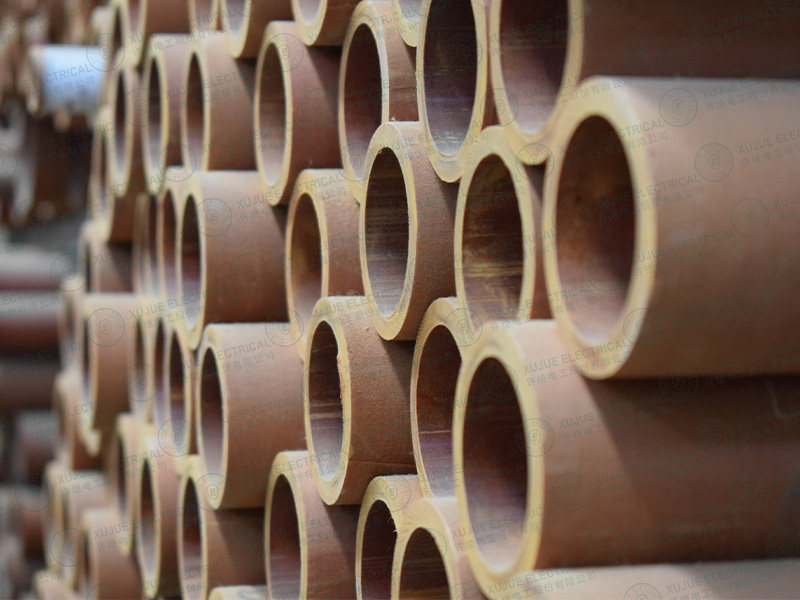
►Obtain product parameters for phenolic cotton tube: https://ztelecpro.com/Electrical-Insulation-Tube/Phenolic-Cotton-Paper-Tube.html
Phenolic paper tubes, on the other hand, use paper-based reinforcement and are designed primarily for electrical insulation rather than mechanical strength. They have lower load-bearing capacity but provide reliable dielectric performance at a lower cost. This makes them suitable for low-voltage equipment, switchgear, and applications where budget is a key consideration.
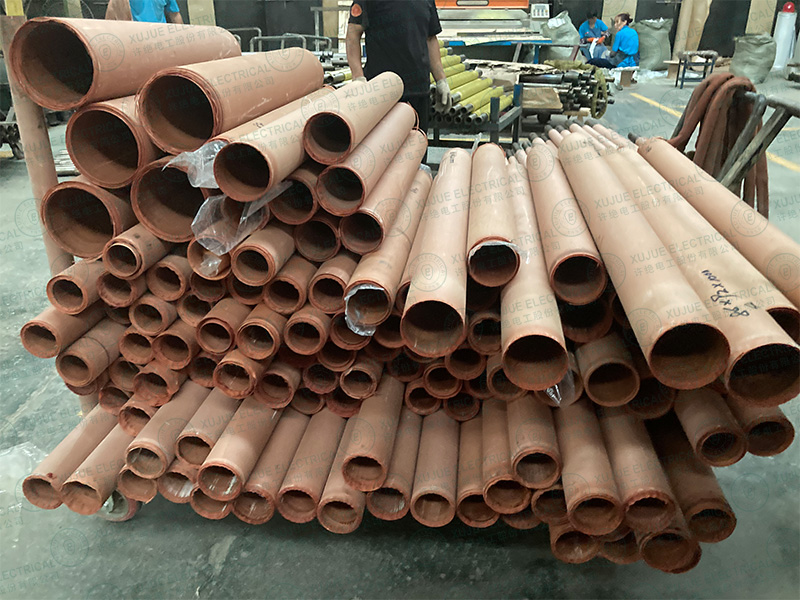
From an application perspective, different materials offer varying levels of machining and structural suitability. Fiberglass wound tubes are best suited for high-load structural parts such as support cylinders, spacers, and insulating shafts. However, due to their hardness, machining typically requires diamond tools. Phenolic cotton tubes excel in machinability and are widely used for custom CNC-machined insulation components. Phenolic paper tubes are more suitable for simpler applications where electrical insulation is required without significant mechanical stress.
Customization capability is another key factor for buyers, especially in international trade. Fiberglass wound tubes offer excellent flexibility in large diameters and thick wall designs, making them ideal for transformer cylinders and heavy-duty applications. Inner diameters can typically range from 5mm to over 1000mm, with wall thickness from 1mm to more than 50mm. Phenolic cotton and paper tubes are better suited for medium and small diameter applications, offering stable dimensional tolerances for precision machining.
In terms of performance, fiberglass wound tubes generally offer compressive strength above 300 MPa and insulation resistance above 10⁹ ohms, making them suitable for Class F or H temperature applications. Phenolic cotton tubes typically provide compressive strength above 150 MPa and insulation resistance above 10⁸ ohms, suitable for Class B or E environments. Phenolic paper tubes usually have compressive strength above 80 MPa and insulation resistance above 10⁷ ohms, making them appropriate for lower temperature and lower load conditions.
When selecting the right insulation tube, the application scenario should guide the decision. For high mechanical load and high voltage environments, fiberglass filament wound tubes are the preferred choice. For applications requiring precision machining and moderate strength, phenolic cotton tubes provide the best balance. For cost-sensitive applications where electrical insulation is the primary requirement, phenolic paper tubes offer a practical solution.
Ultimately, selecting the correct insulation material directly impacts product reliability, service life, and safety performance. By considering mechanical strength, electrical insulation properties, machining requirements, and customization flexibility, buyers can significantly improve both procurement efficiency and final product quality.