Epoxy Spacers in Transformers: High Voltage Insulation Solution for Reliable Performance
In modern power systems, epoxy spacers in transformers are critical components for ensuring insulation reliability, mechanical strength, and long service life. Compared with traditional materials, epoxy spacers provide a more stable solution for high voltage transformer insulation systems.
What Are Epoxy Spacers in Transformers?
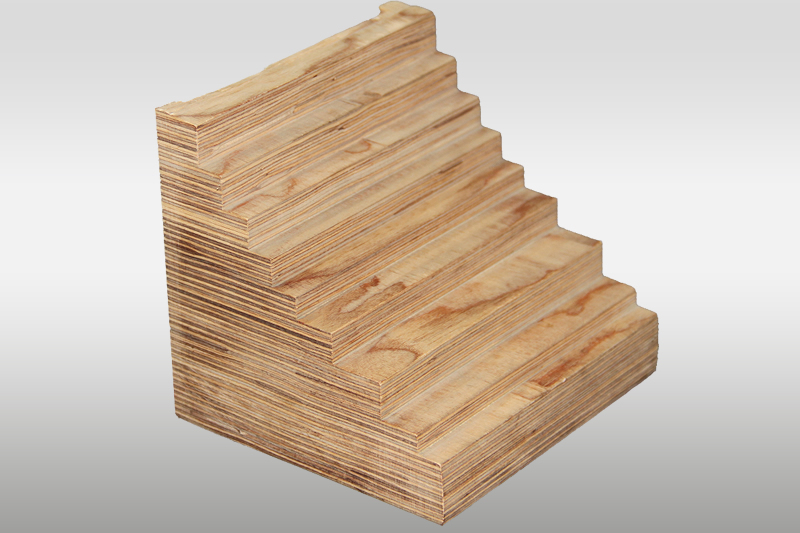
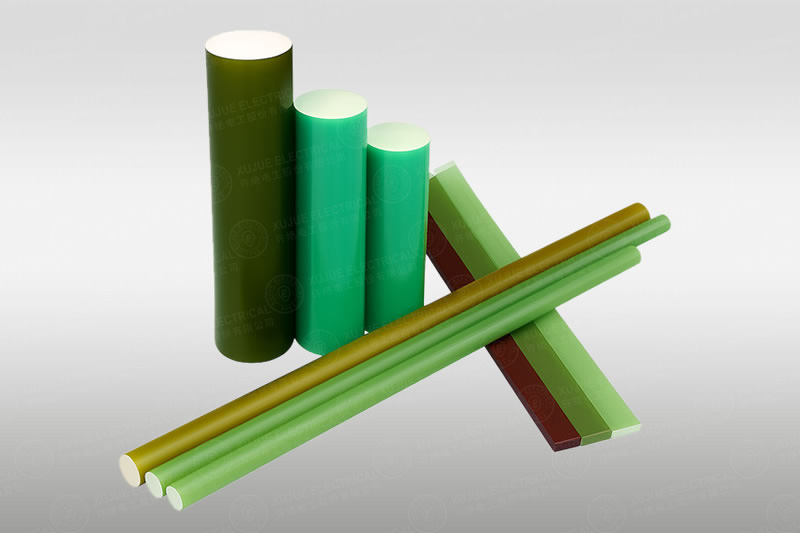
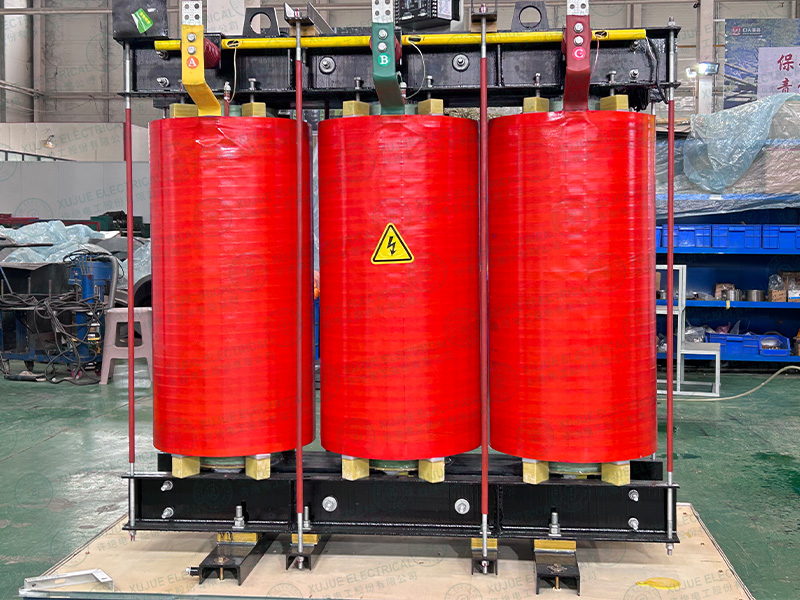
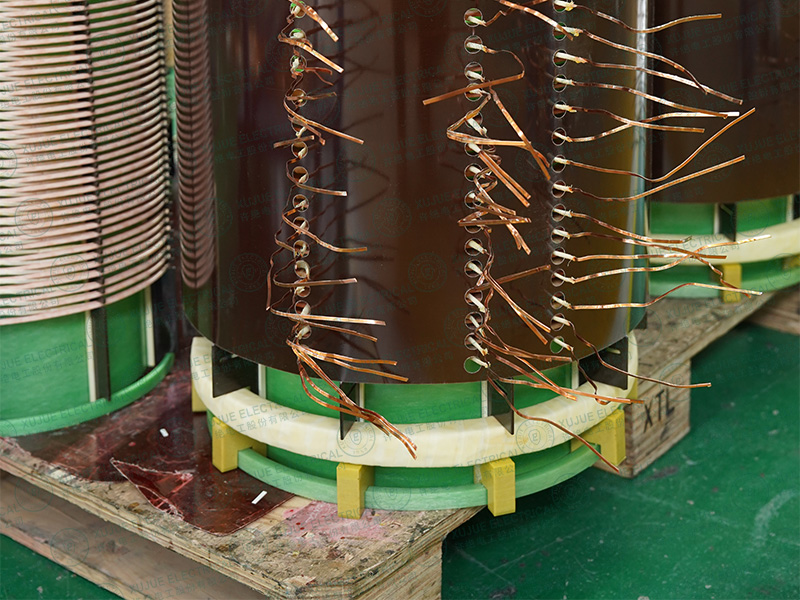
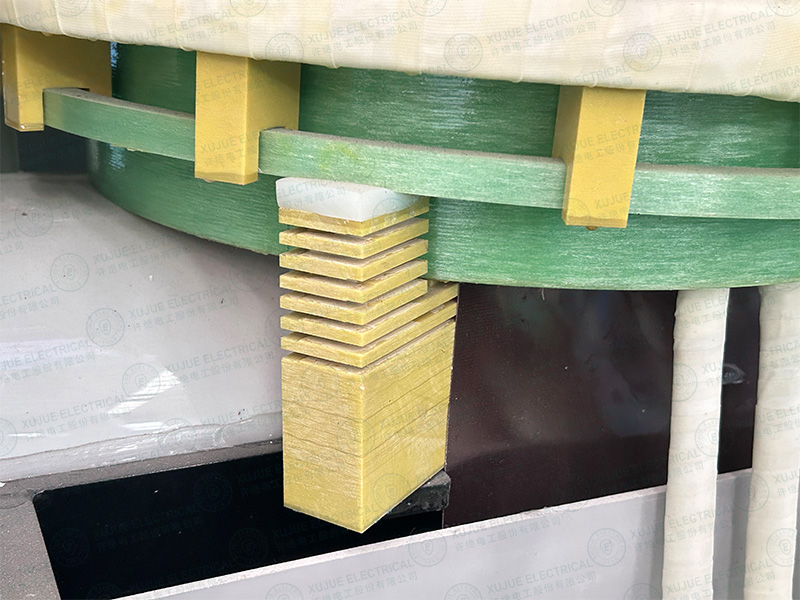
Epoxy spacers are precision-cast insulation components installed between transformer windings. They are widely used in dry-type transformers, oil-immersed transformers, and high voltage equipment.
Their core functions include:
• Maintaining electrical clearance between HV and LV windings
• Supporting winding structure under mechanical stress
• Forming cooling ducts for airflow or oil circulation
Key Advantages of Epoxy Spacer Insulation
1. High Dielectric Strength
Epoxy resin insulation spacers typically achieve 20–25 kV/mm dielectric strength, higher than pressboard materials.
Using APG casting technology, they are void-free, which helps reduce partial discharge in transformers.
2. Excellent Mechanical Strength
In fault conditions, transformers experience strong electromagnetic forces.
Transformer epoxy spacers provide 130–160 MPa compressive strength, ensuring winding stability and preventing deformation.
3. High Temperature Resistance
Designed for Class F and Class H insulation systems (155°C–180°C), epoxy spacers maintain performance in high-temperature environments such as:
• Power distribution systems
• Data centers
• Industrial electrical equipment
Epoxy vs Pressboard Spacers
Compared to traditional pressboard transformer spacers, epoxy spacers offer:
• Lower partial discharge levels
• Higher dimensional accuracy (±0.1 mm)
• Better moisture resistance
• Longer insulation lifespan
For transformers above 36kV, epoxy spacers are the preferred insulation solution.
Applications of Epoxy Spacers
Common applications include:
• High voltage power transformers
• Dry-type transformers
• Substation equipment
• Reactor and switchgear insulation systems
How to Choose the Right Epoxy Spacer
When selecting epoxy spacers for transformers, consider:
• Voltage level (HV or LV application)
• Thermal class (Class F or H)
• Dimensional tolerance requirements
• Environmental conditions (humidity, temperature)
Conclusion
Epoxy spacers for high voltage transformers are essential for improving insulation performance, reducing partial discharge, and extending equipment lifespan.
For manufacturers and engineers, choosing high-quality epoxy insulation components is key to building reliable transformer systems.