Electrical Insulation Pressboard: From Sheets to Machined Components – Complete Guide
Electrical insulation pressboard is a critical material widely used in transformers, motors, and other high-voltage electrical equipment. Known for its excellent dielectric strength, mechanical durability, and oil compatibility, pressboard plays a key role in ensuring long-term operational stability.
In this guide, we will explore everything you need to know about electrical insulation pressboard, including material types, processing methods, applications, and how to choose the right supplier for your project.
What Is Electrical Insulation Pressboard?
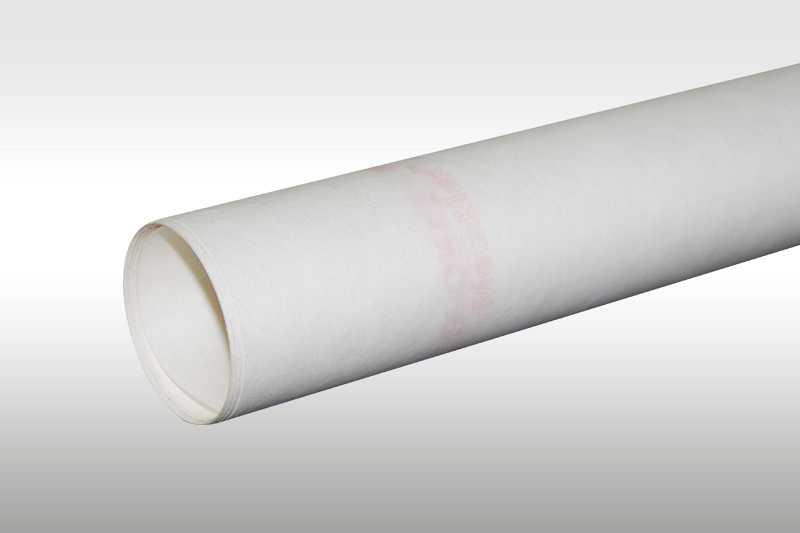
Electrical insulation pressboard is a high-density cellulose-based material made from purified wood pulp. It is specially engineered for electrical insulation systems, particularly in oil-immersed transformers.
Compared to standard insulation paper, pressboard offers greater thickness, higher mechanical strength, and improved structural stability, making it suitable for load-bearing insulation components.
Key advantages incloude:
• High dielectric strength
• Excellent oil absorption and compatibility
• Strong mechanical support performance
• Stable performance under thermal stress
Types of Insulation Pressboard Materials
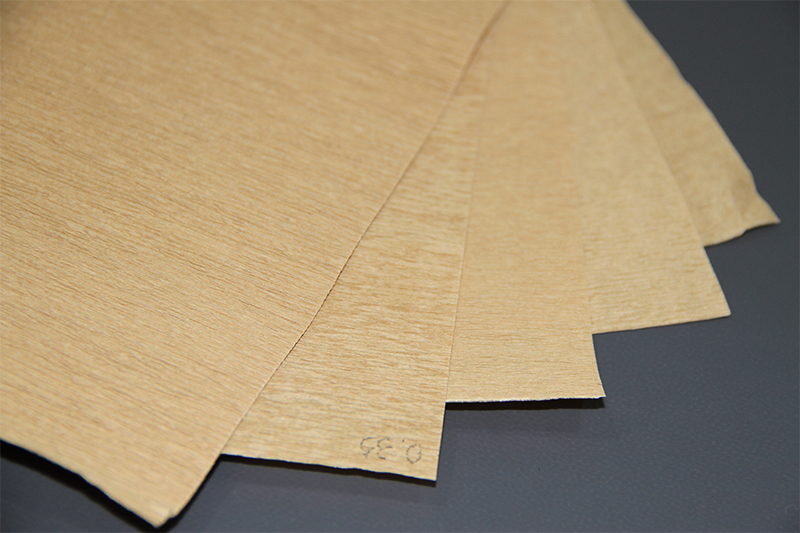
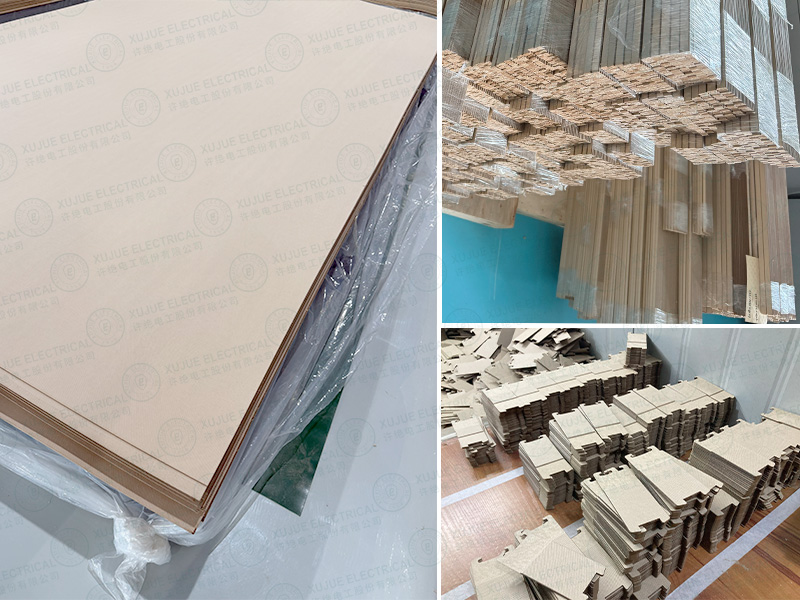
Paper Pressboard
Paper Pressboard are the most common form, available in various thicknesses ranging from 0.5 mm to over 30 mm. These sheets are widely used for cutting and machining into structural insulation parts.
Pressboard Strips
Pressboard strips are precision-slit materials used in transformer winding insulation. They act as spacers and support structures, ensuring proper alignment and insulation between coils.
Machined Pressboard Components
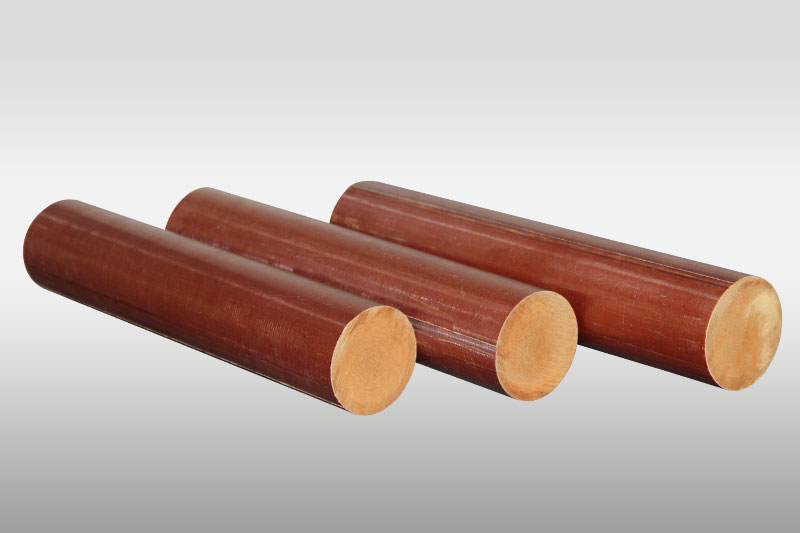
Custom pressboard components are fabricated through CNC machining, die cutting, or forming processes. Typical products include:
• Insulation rings
• Spacers
• Angle parts
• Support blocks
Key Material Properties That Matter
When selecting transformer pressboard material, the following properties are essential:
• Dielectric strength:Ensures electrical insulation performance
• Mechanical strength: Supports structural integrity
• Oil compatibility: Maintains stability in oil-immersed systems
• Thermal class: Typically Class A (105°C)
• Moisture control: Critical for long-term reliability
Manufacturing & Processing Methods
Electrical paper pressboard
Pressboard is a product comprised of many layers of paper that have been compressed by a combination of heat and pressure to form a dense board like material.
Slitting & Cutting
High-precision slitting ensures consistent width and smooth edges, which is especially important for pressboard strips used in transformer windings.
Machining & Fabrication
Pressboard can be processed into complex shapes using:
• CNC machining
• Punching and die cutting
• Hot forming and bending
Applications in Transformers and Electrical Equipment
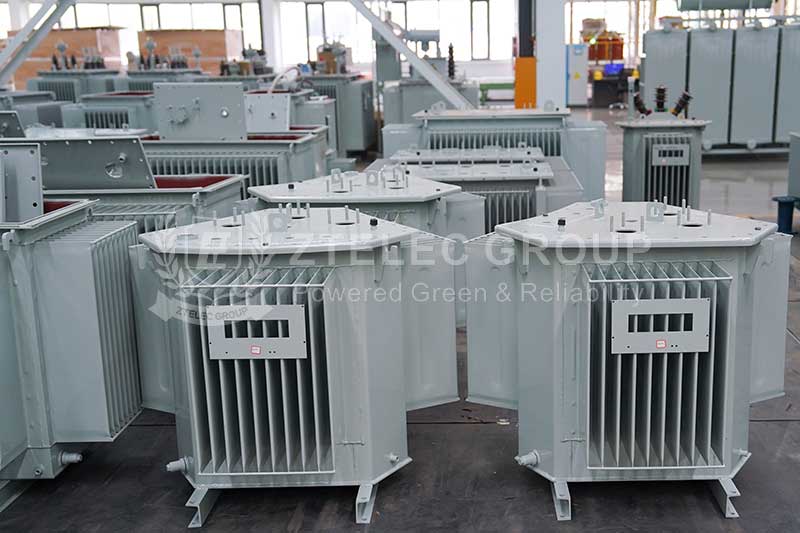
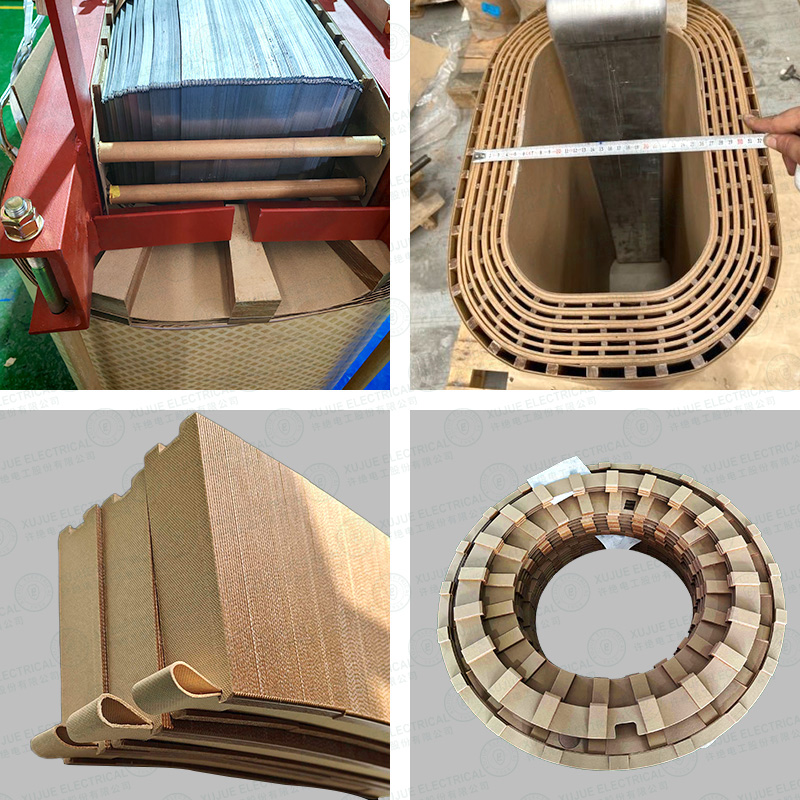
Pressboard is extensively used in:
• Power transformer insulation systems
• Distribution transformers
• Winding insulation structures
• Support and spacer components
Its excellent oil compatibility makes it ideal for oil-immersed transformer environments.
Pressboard vs Other Insulation Materials
Compared to other insulation materials:
Vs insulation paper: thicker, stronger, more structural
Vs G10/G11: lower cost, better oil compatibility, but lower thermal class
Vs laminated wood: lighter and easier to machine
This makes pressboard a balanced choice for many transformer insulation applications.
Common Problems & Quality Control
Common issues in pressboard materials include:
• Delamination
• High moisture content
• Dimensional instability
• Machining deformation
These can be avoided through proper raw material selection, drying processes, and strict quality control.
How to Choose the Right Pressboard Supplier
When sourcing electrical insulation pressboard, consider the following:
• Use of high-quality virgin pulp
• Stable density and thickness consistency
• Precision slitting and machining capabilities
• Fast delivery and customization support
• Compliance with RoHS and REACH standards
Custom Pressboard Solutions
At XuJue, we provide customized insulation pressboard solutions tailored to your application requirements.
• Custom sizes and drawings supported
• Precision slitting for strips
• CNC machining for complex parts
• Fast sampling and global delivery
Whether you need pressboard sheets, strips, or fully machined components, our team can support your project with reliable quality and efficient production.
Send your drawings or specifications today to get a fast quotation.
FAQ
What is pressboard used for in transformers?
Pressboard is used for insulation, structural support, and spacing between windings in transformers.
What is the difference between pressboard and insulation paper?
Pressboard is thicker and stronger, while insulation paper is thinner and mainly used for wrapping applications.
Can pressboard be machined?
Yes, pressboard can be CNC machined, punched, and formed into various insulation components.
What thickness of pressboard is commonly used?
Typical thickness ranges from 0.5 mm to 30 mm depending on the application.
Conclusion
Electrical insulation pressboard remains one of the most important materials in transformer insulation systems. From raw sheets to precision-machined components, its versatility, reliability, and cost-effectiveness make it a preferred choice for manufacturers worldwide.
Choosing the right material and supplier can significantly impact the performance and longevity of your electrical equipment.