DMD Composite Material for Motor & Transformer Insulation | Class B & F DMD Manufacturer
Introduction
In the electrical insulation industry, choosing the right material directly impacts equipment performance, safety, and lifespan. Among various insulation solutions, DMD composite material has become one of the most widely used materials in motors and transformers due to its balanced performance and cost efficiency.
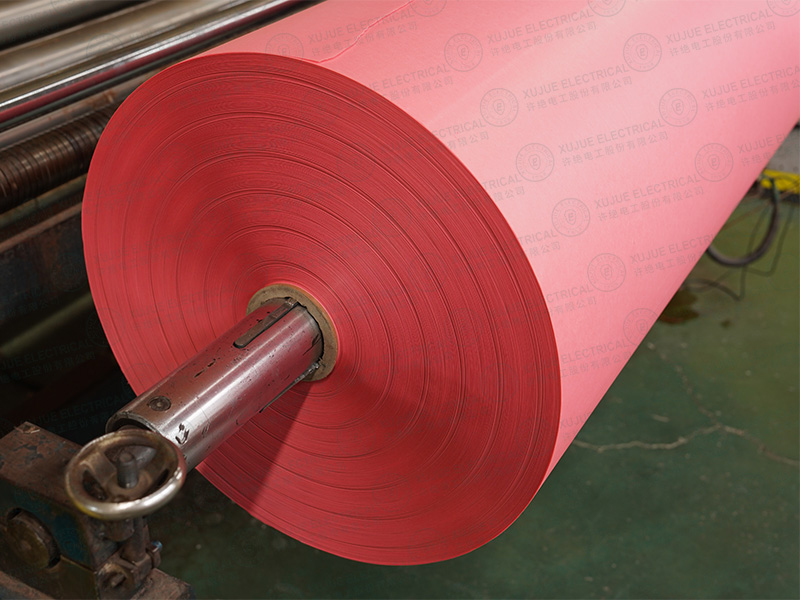
What is DMD Composite Material?
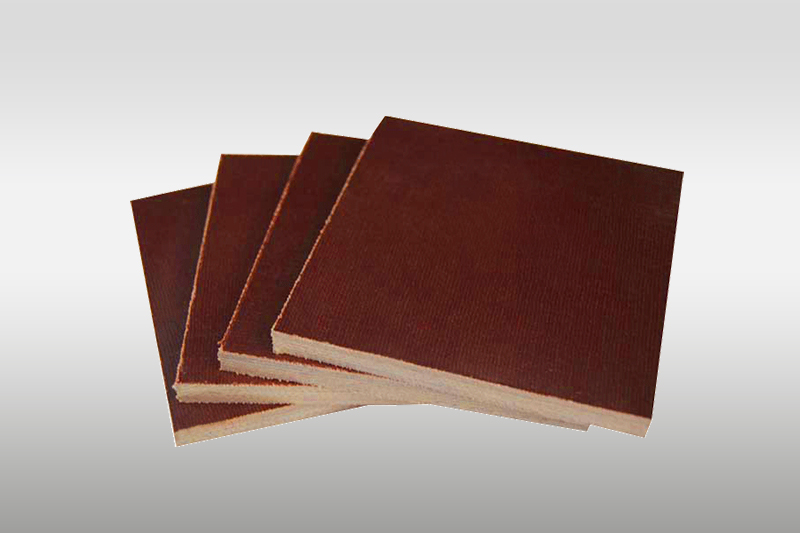
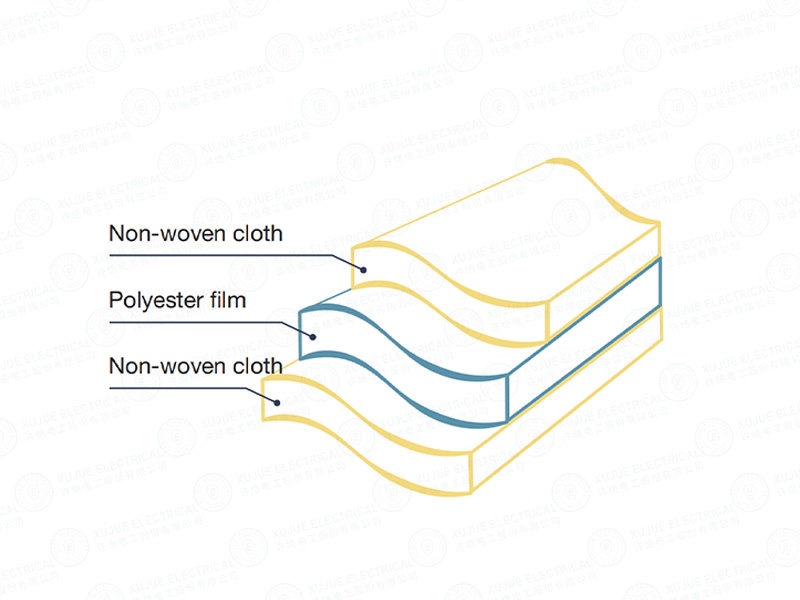
DMD is a three-layer flexible laminated insulation material, mainly composed of: non-woven cloth, polyester film, and non-woven cloth.
Structure Breakdown:
Outer layers: Provide excellent dielectric strength
Inner layer: Enhances mechanical strength and flexibility
This structure allows DMD to deliver a strong combination of electrical insulation, durability, and processability.
1. High Dielectric Strength
DMD offers reliable electrical insulation performance, making it suitable for winding insulation in motors and transformers.
2. Good Mechanical Strength
The polyester fiber layer improves:
• Tear resistance
• Tensile strength
• Processing stability
3. Thermal Resistance
Available in different thermal classes:
• Class B (130°C)
• Class F (155°C)
4. Excellent Flexibility
DMD is easy to:Cut/Fold/Slot into stators
This reduces manufacturing difficulty and improves efficiency.
5. Strong Compatibility with Impregnation
DMD works well with insulating varnishes and resins, enhancing long-term performance.
Types of DMD Composite Material
• Class B DMD (130°C)
Standard insulation applications:— Widely used in small and medium motors
• Class F DMD (155°C)
Higher temperature resistance—Suitable for industrial and heavy-duty equipment
Applications of DMD Material
DMD composite material is widely used in:
• Electric Motors
• Slot insulation
• Winding wrapping
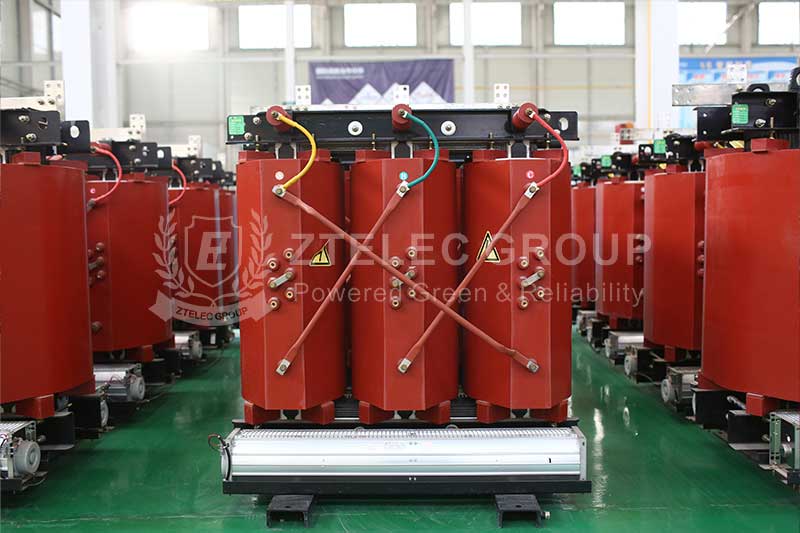
• Transformers
• Electrical Equipment
DMD Material Selection Guide (Practical Buying Tips)
Choosing the right DMD material is critical for performance and cost control. Here are the key factors to consider:
1. Confirm Thermal Class First
This is the most important step.
• Class B (130°C) → Standard applications, cost-sensitive projects
• Class F (155°C) → Higher reliability, longer lifespan
Tip: If your equipment runs continuously or under high load, always choose Class F.
2. Select the Right Thickness
Common thickness range:
0.18/0.2/0.25/0.3/0.4 mm
Guidelines:
Thin → Better flexibility, easier processing
Thick → Higher mechanical strength and insulation reliability
3. Consider Application Scenario
Different applications require different properties:
• Slot insulation → Needs higher mechanical strength
• Layer insulation → Needs flexibility and smooth surface
• High-speed winding → Requires good tear resistance
4. Surface & Bonding Quality
High-quality DMD should have:
• Strong layer adhesion (no delamination)
• Smooth surface (no bubbles or wrinkles)
Uniform thickness
Tip: Poor bonding can lead to insulation failure over time.
5. Compatibility with Insulation System
Ensure DMD is compatible with:
• Varnish
• Resin system
• Thermal curing process
This is especially important for transformers and high-voltage equipment.
6. Supplier Capability Matters
Choose a supplier who can provide:
• Consistent quality
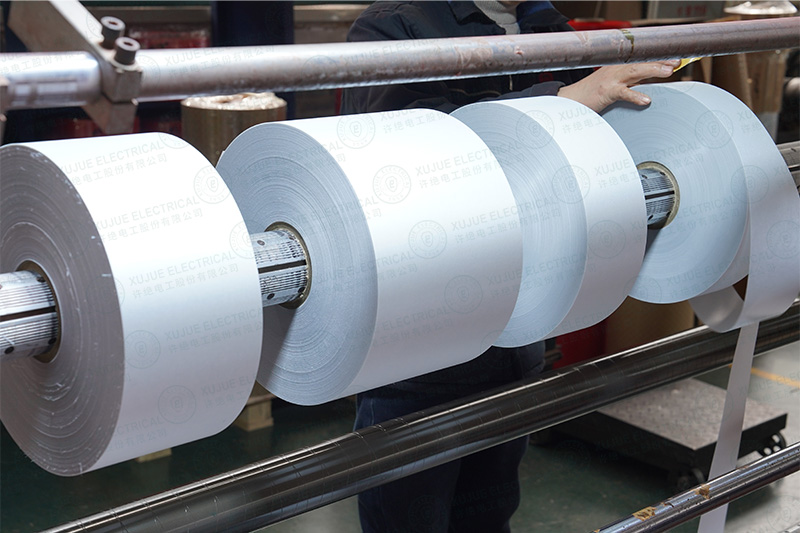
• Custom sizes (rolls / sheets / slitting)
• Technical support
Conclusion
DMD composite material remains a core insulation solution in the electrical industry thanks to its:
• Reliable electrical insulation
• Strong mechanical properties
• Flexible processing performance
• Wide application range
• Cost-effective nature
With proper selection and application, DMD can significantly improve the performance and lifespan of motors and transformers.